Early Years
.avif)
EARLY YEARS
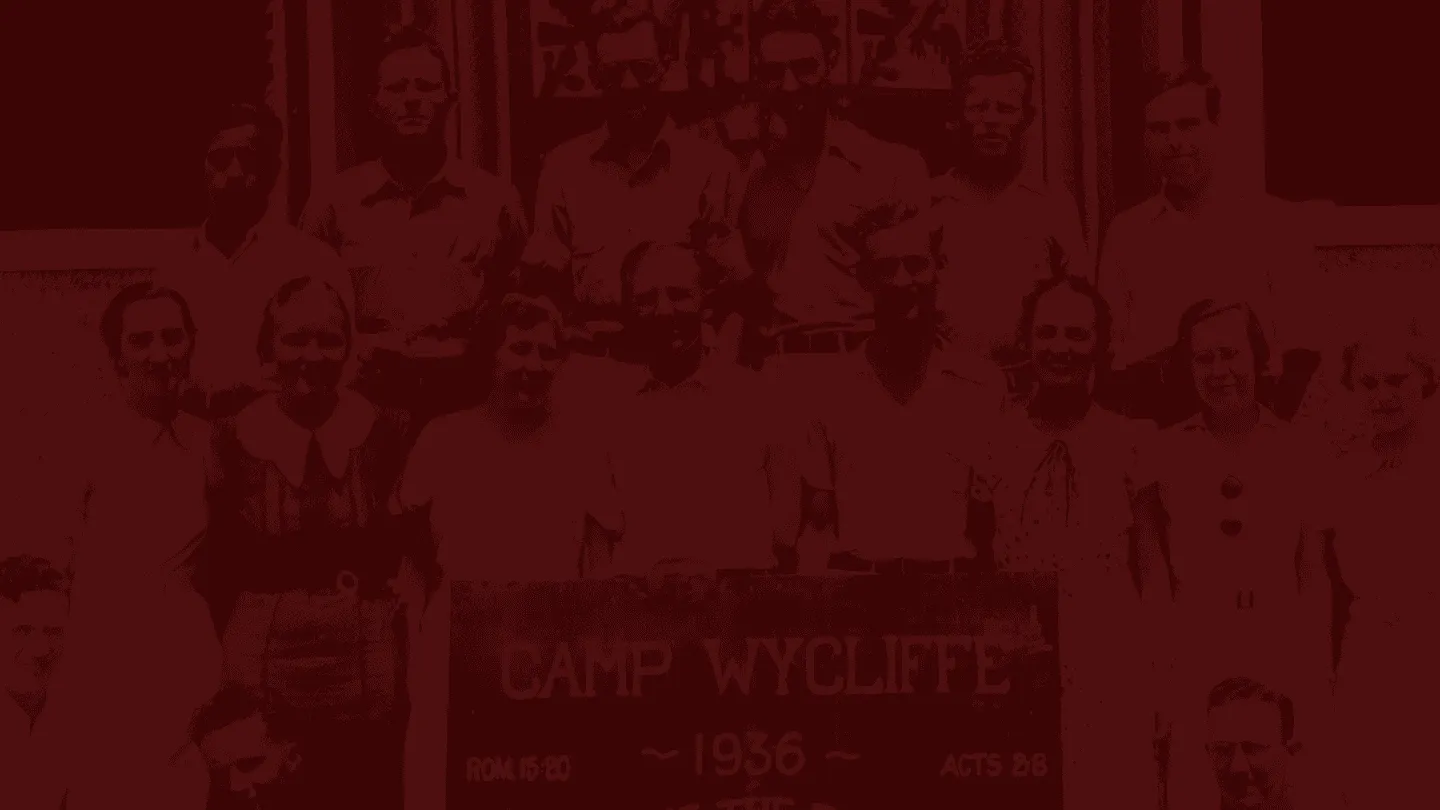
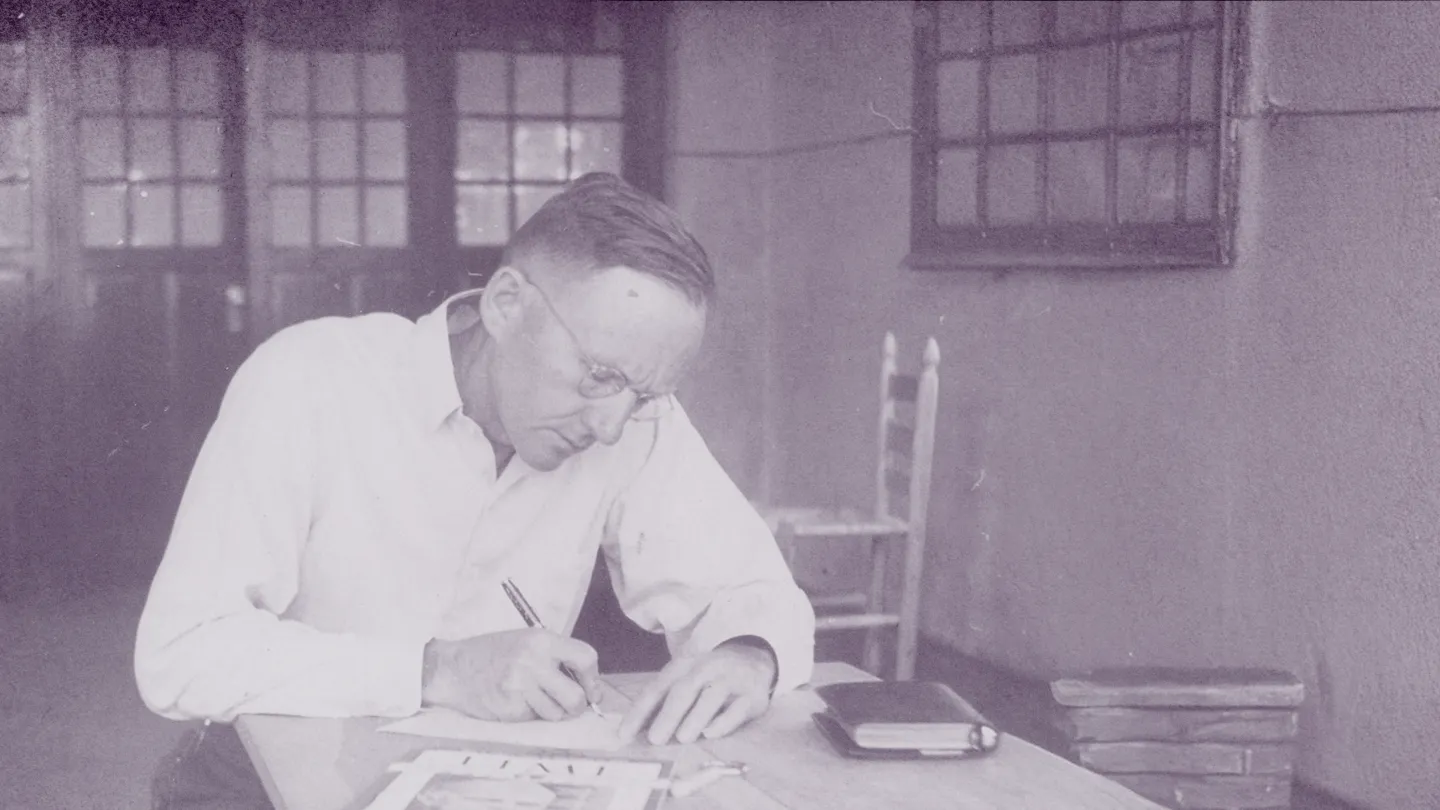
In 1934, William Cameron Townsend (“Cam”) started Camp Wycliffe, a linguistics training program, with a vision that one day every man, woman and child would be able to understand God’s Word in their own language. Less than 10 years later, it grew into what would later be known as the Summer Institute of Linguistics (now SIL Global) and Wycliffe Bible Translators. What started as just an idea became two organizations where men and women would serve in the work of Bible translation worldwide for years to come.



1940s
Throughout the 1940s, Wycliffe Bible Translators widely shared the need for Bible translation, specifically in the Americas, and invited people to participate. What role could they play in helping minority language groups worldwide learn about God in their own languages?

1950s
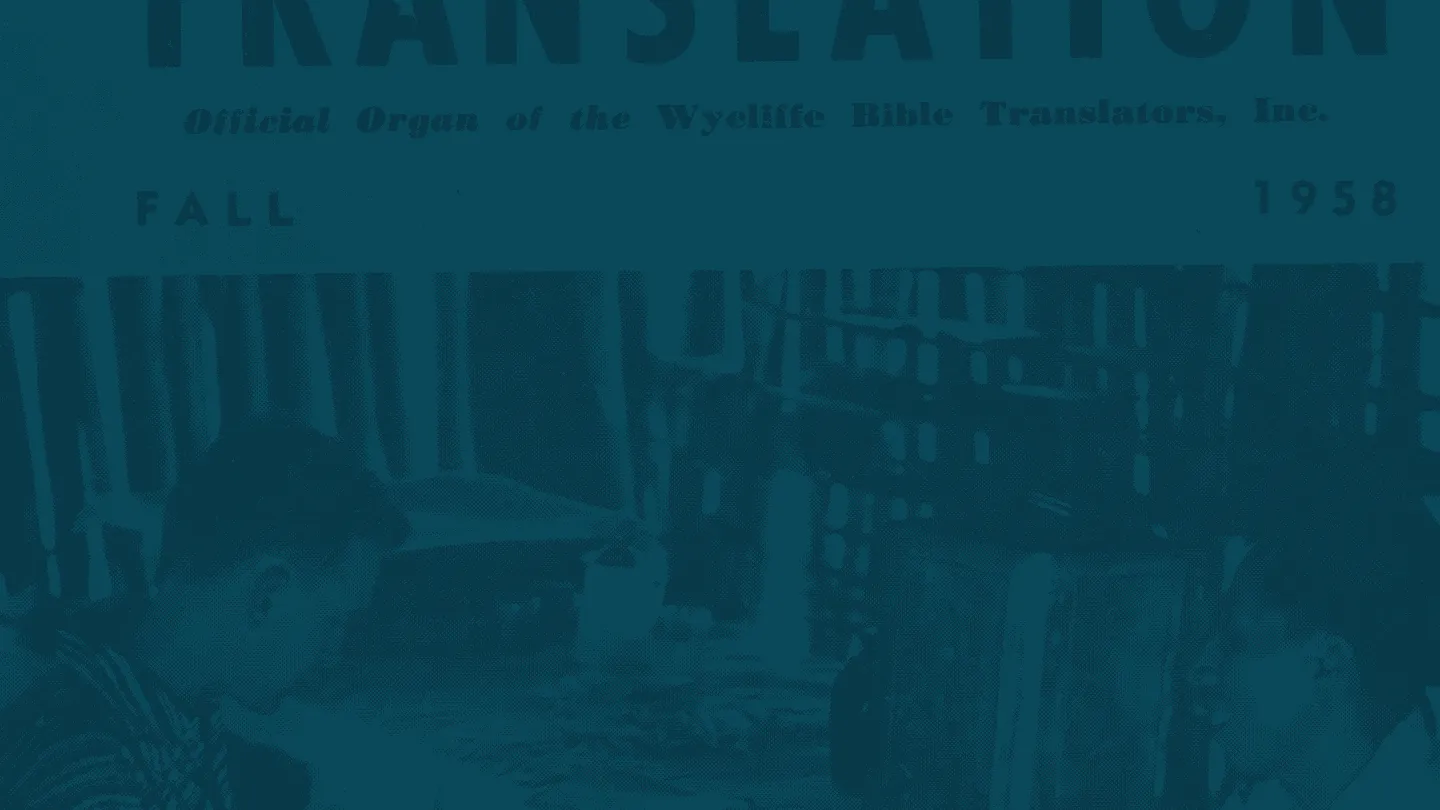
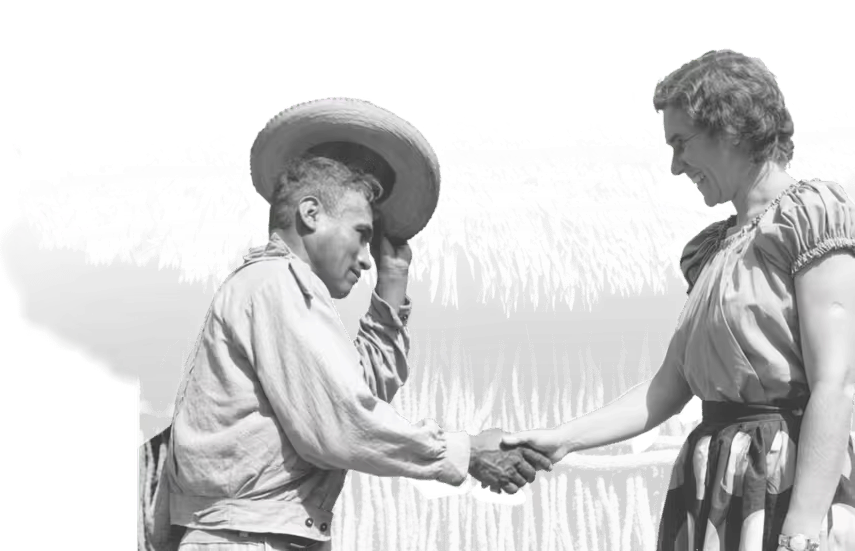
During the 1950s, translation work expanded beyond the Americas to countries including the Philippines and Vietnam. Stories of transformation began to spread as Scripture changed lives. Many female translators entered the field during the 40s and 50s, allowing Bible translation to reach areas and language groups that were previously inaccessible.

1953
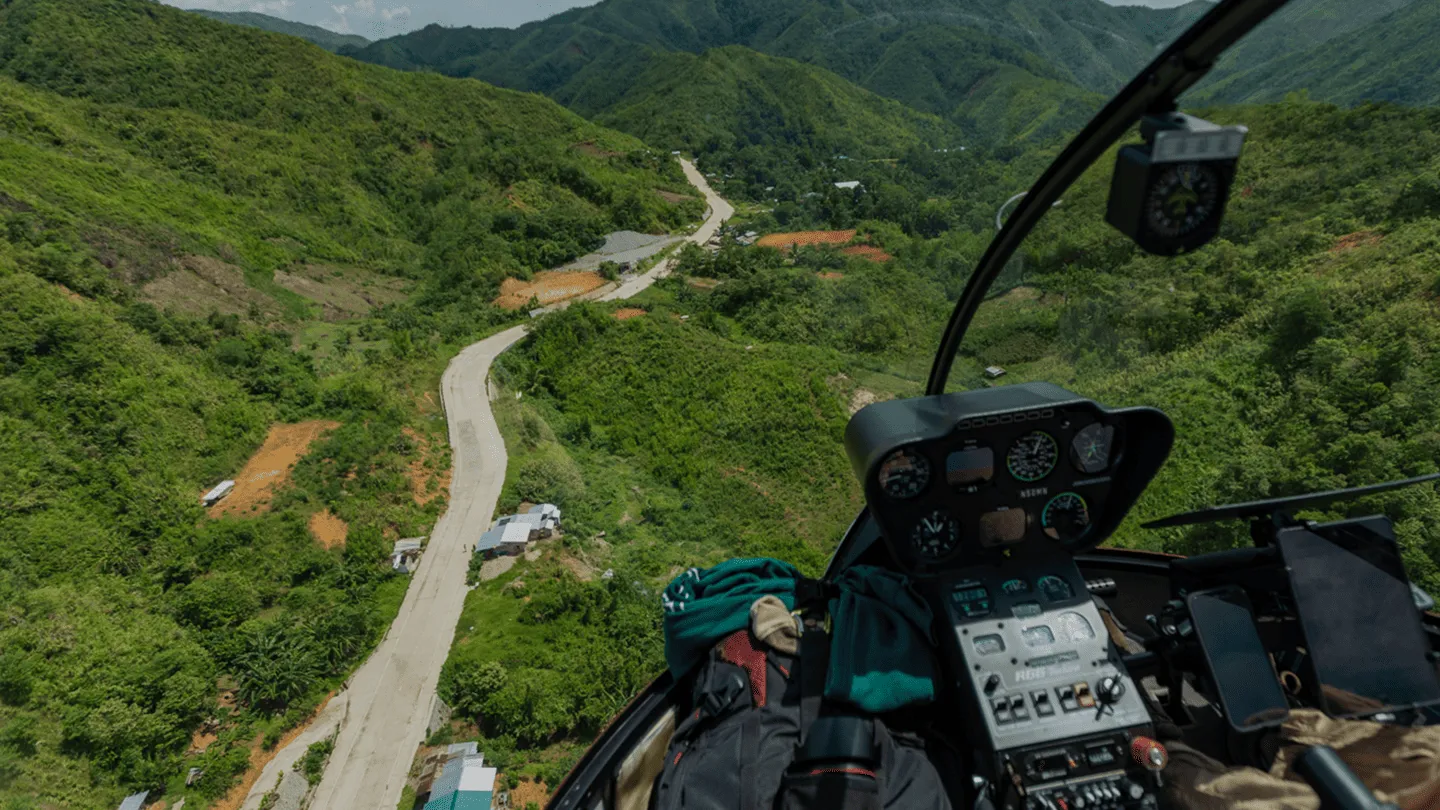
SIL Global and the Philippine government signed the contract to start linguistic research and Bible translation work in the Philippines.

View Story

1954
The Isnag language was surveyed and researched, and Bible translation work started (Philippines).
View Story
1956
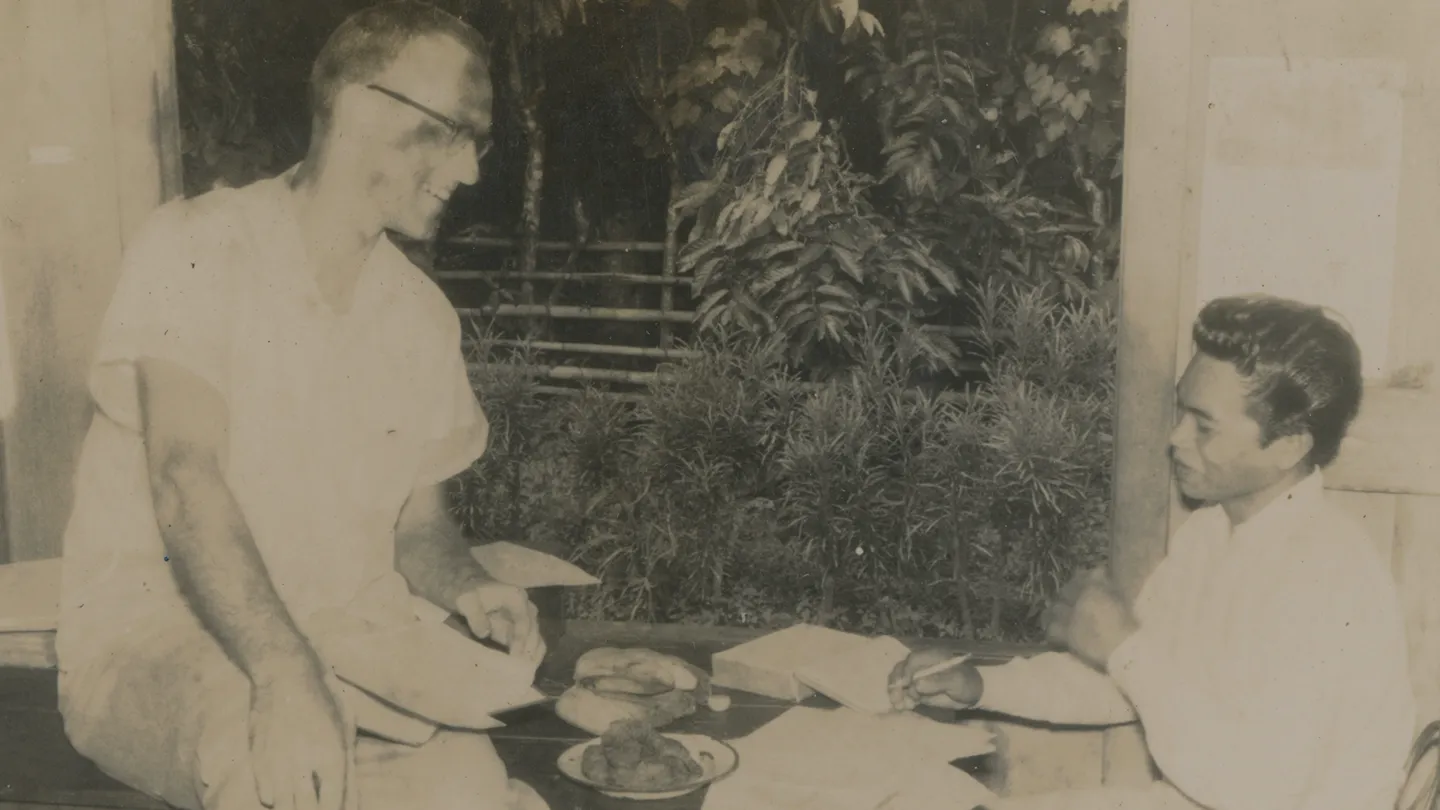
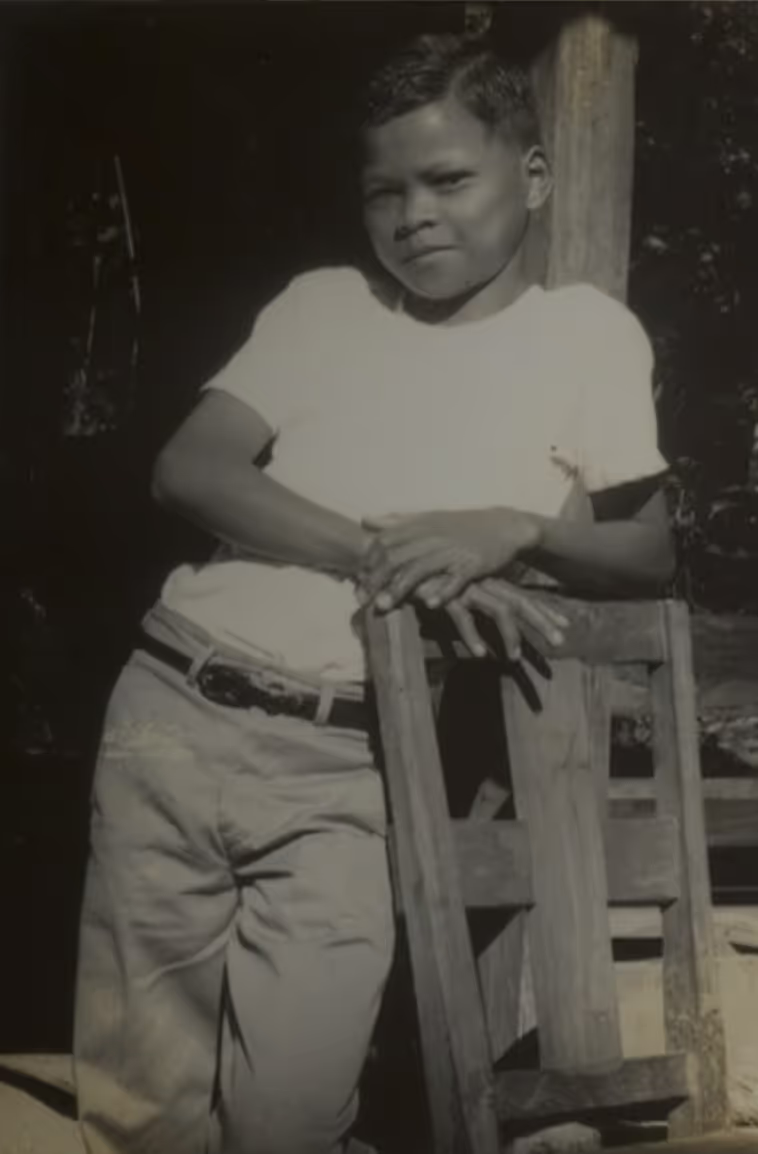
Wycliffe missionary Richard “Dick” Roe moved into 7-year-old Nard Pugyao’s village in the Philippines to begin translating the Bible into Isnag.
View Story

1960s
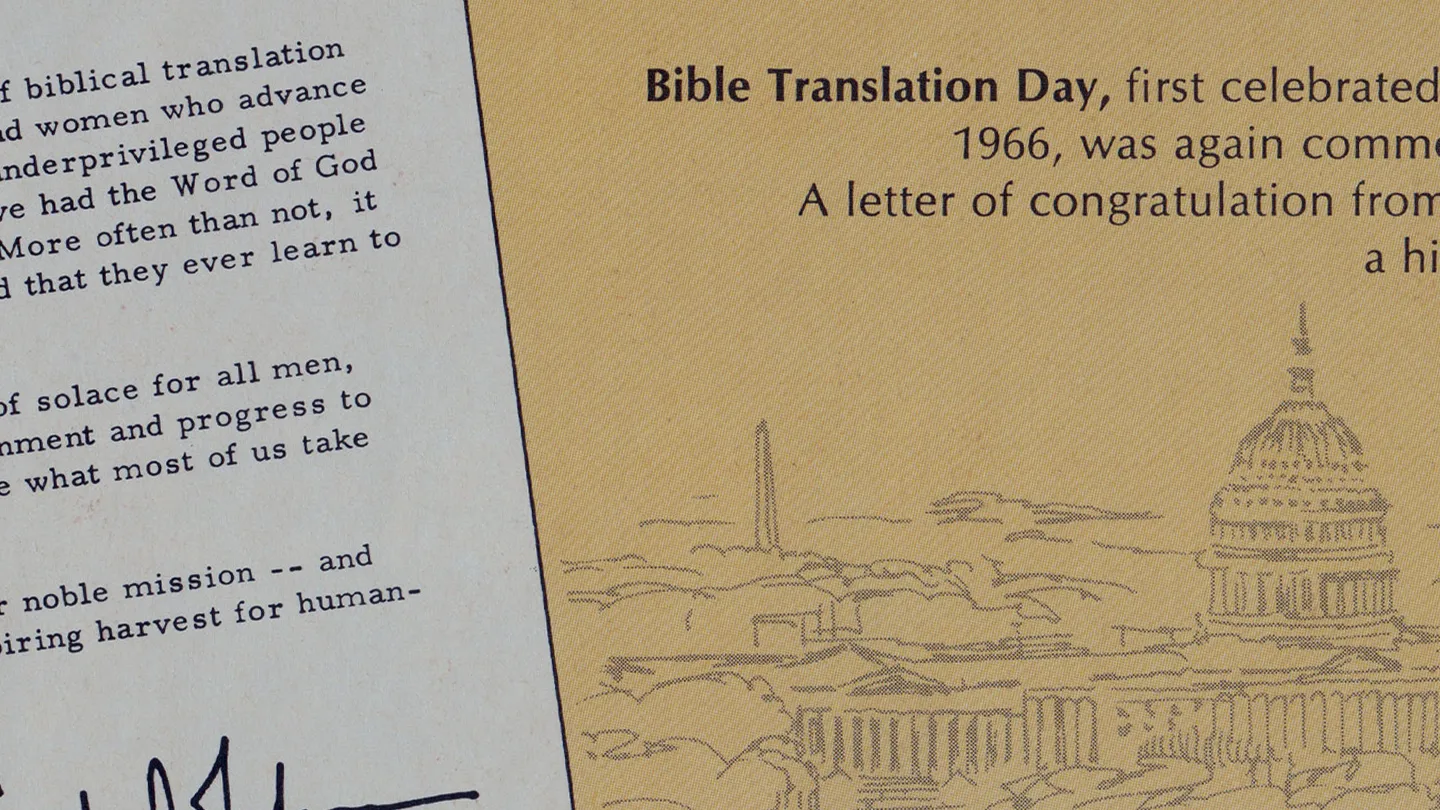
Wycliffe exhibited at the 1964/1965 New York World’s Fair. In 1966, President Lyndon B. Johnson proclaimed that Sept. 30 would be a day set aside to celebrate Bible translation across the United States. Although the Senate never officially passed the resolution, Wycliffe and like-minded partners continue celebrating Bible Translation Day as a way of commemorating all that God has done — and continues to do — through translated Scripture around the world. Throughout the 1960s, the scope and understanding of Bible translation needs worldwide continued to expand.

1961
Nard Pugyao read from the book of Mark in Isnag and was awed at God's love for him. He accepted Christ!
View Story
1970s
Praise God: Wycliffe’s 50th New Testament translation was dedicated in the 1970s! By 1979, Wycliffe celebrated the first 100 New Testaments completed by translators worldwide. More missionaries joined the work, and God’s Word reached more communities in their own languages.



1971
Rudy Barlaan moved to Dibagat, a village in the Philippines. Virginia Beach Community Chapel partnered with the Isnag translation project, supporting Rudy’s ministry financially.
View Story
1980s
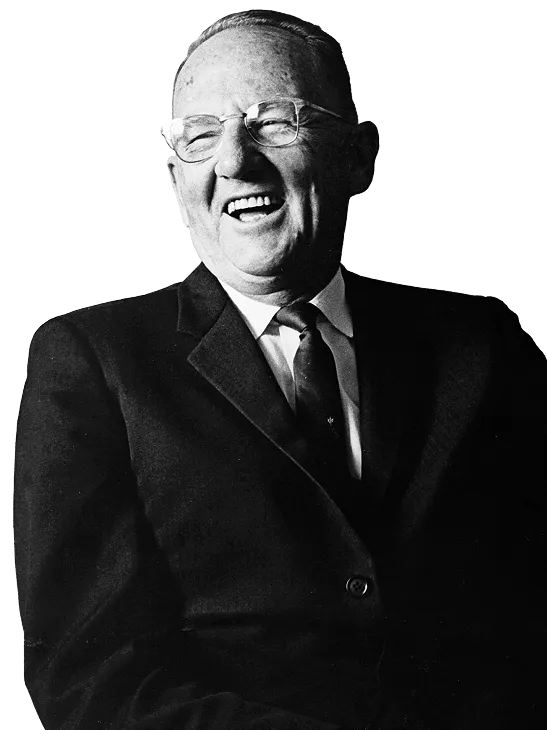
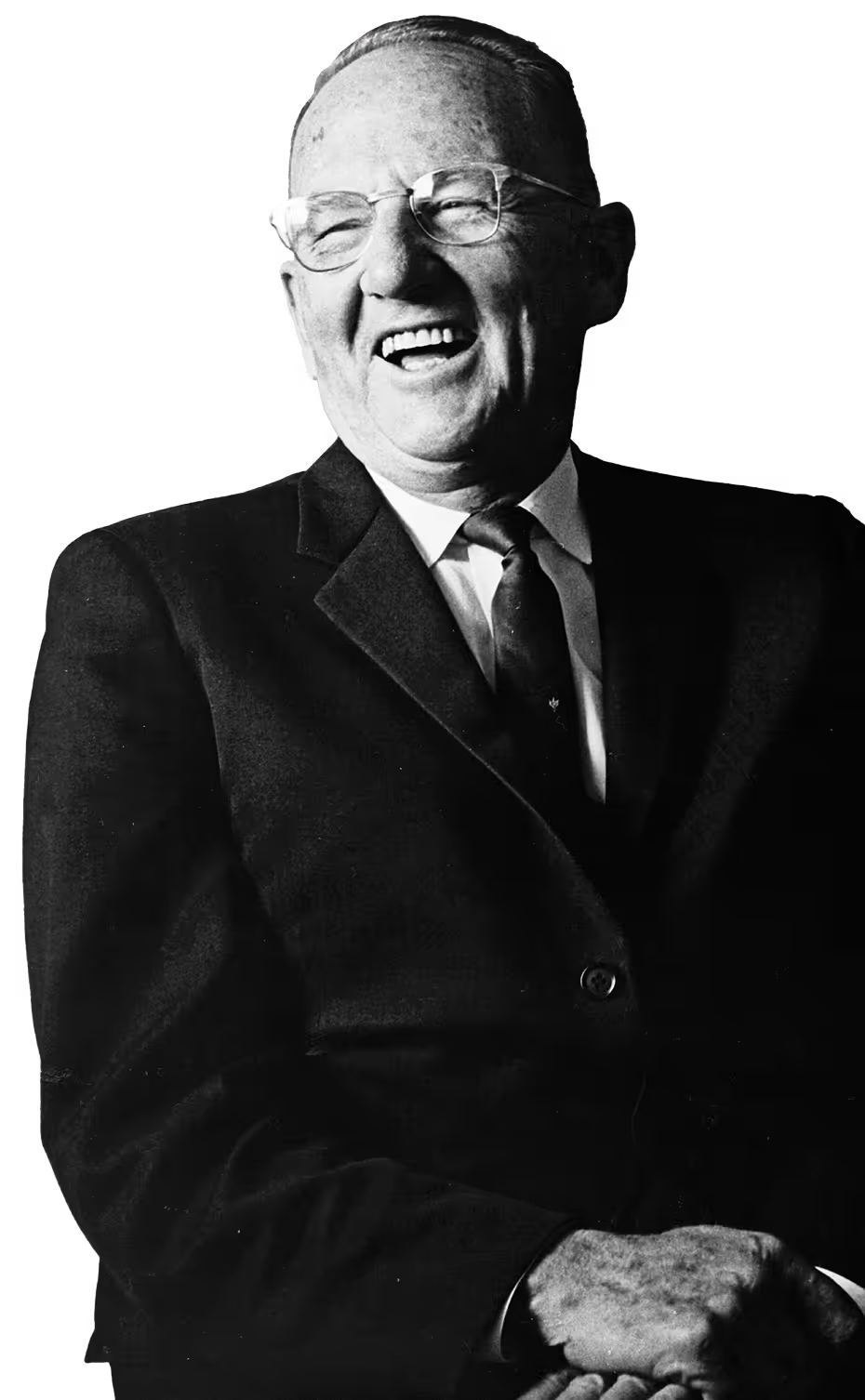
From celebrating Willam Cameron Townsend’s 50th year as a Bible translation leader to honoring his life and legacy when he passed away, the 1980s was an eventful decade for Wycliffe.


.avif)
1986
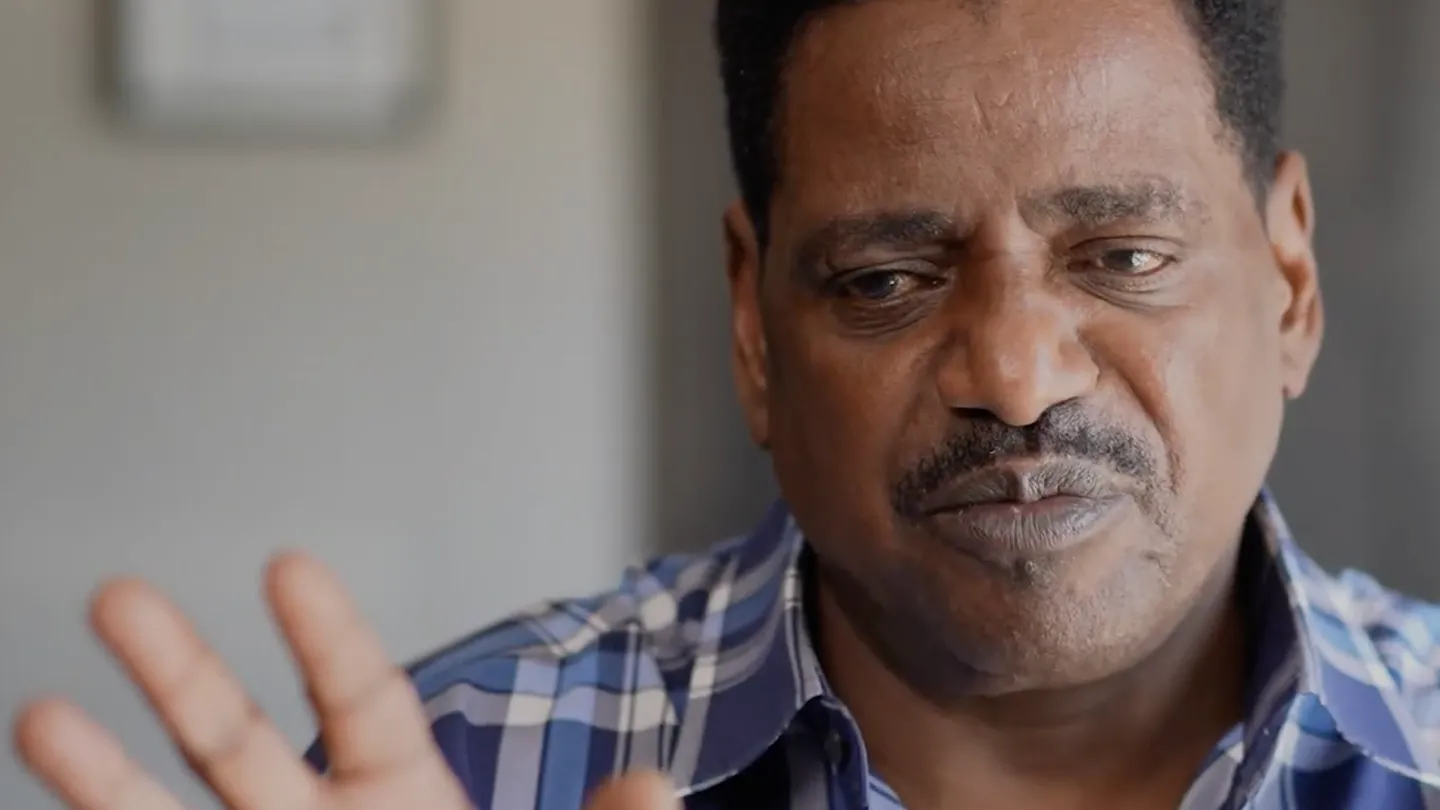
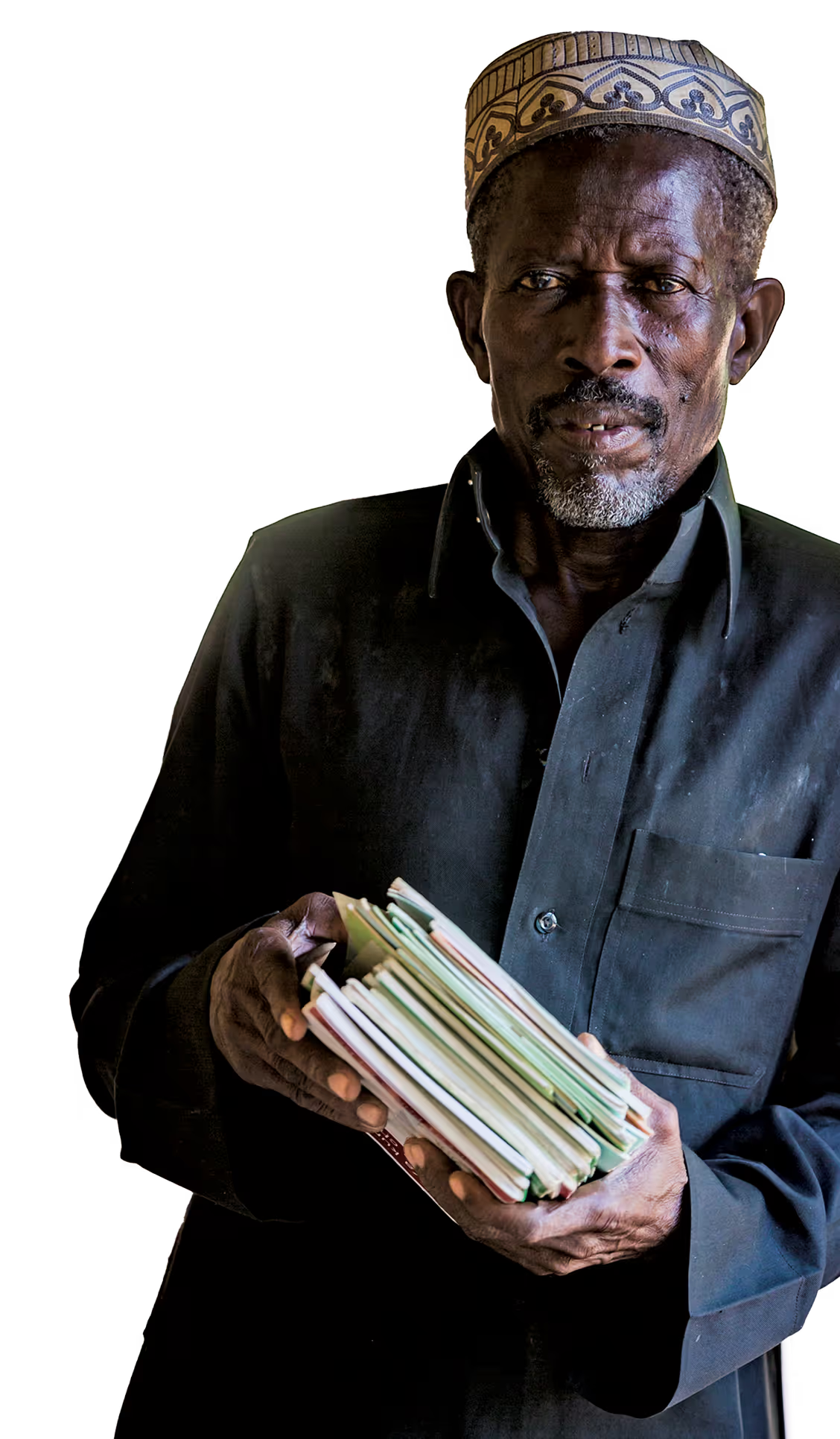
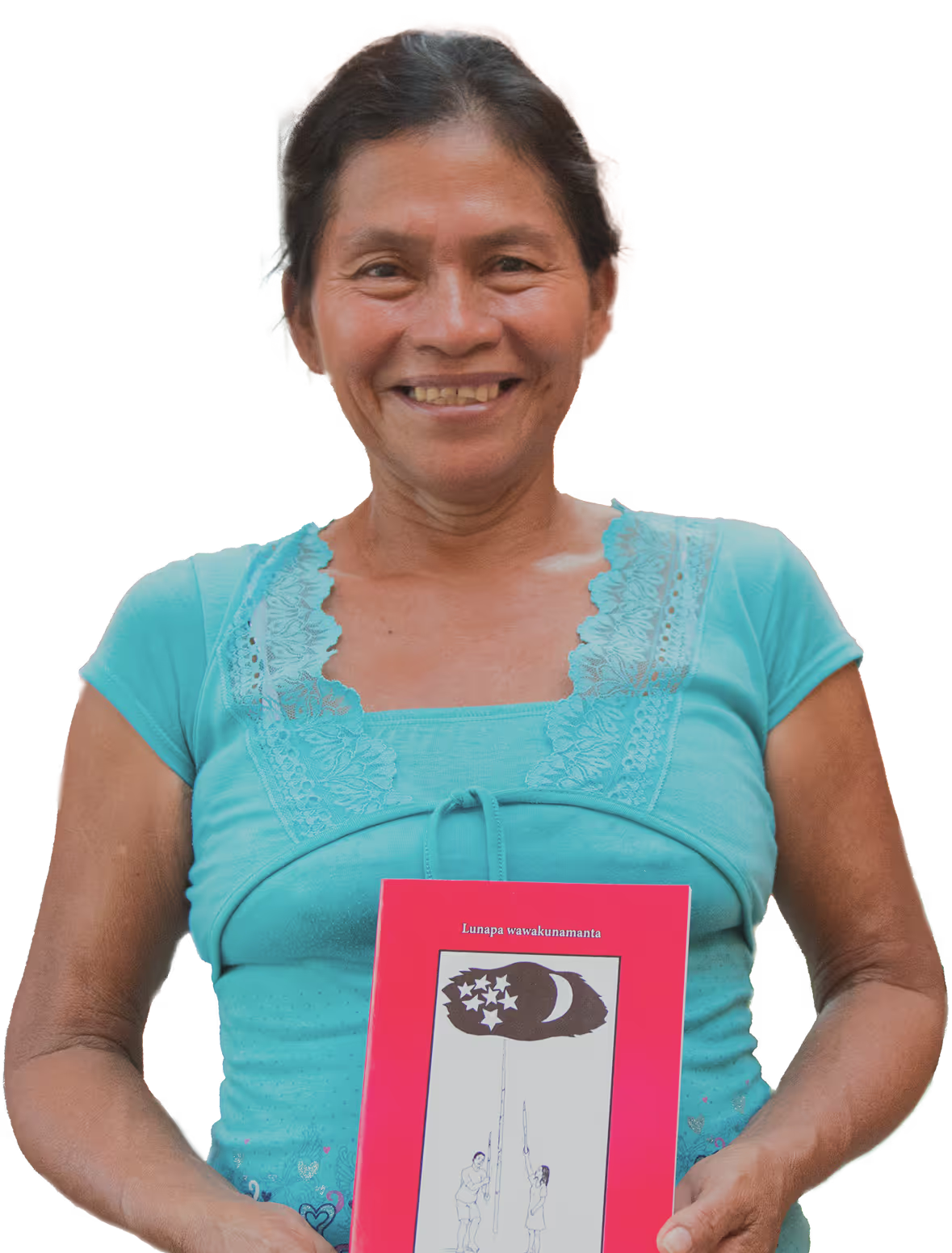
Stefano, a Kunama refugee from Eritrea, slept on the streets of Sudan. Eventually, he came to the United States in December 1986. In the U.S., he accepted Jesus as his Savior while listening to a street preacher pray. This was a pivotal moment for him; he realized the importance of having God’s Word in Kunama.
View Story

1990s
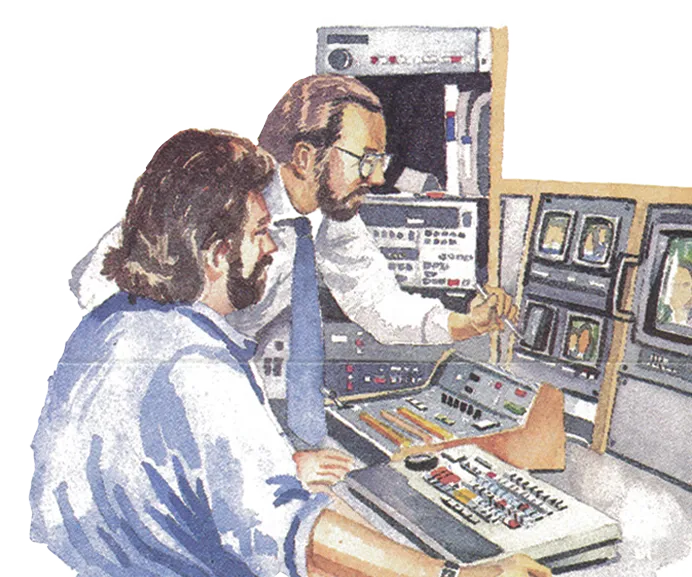
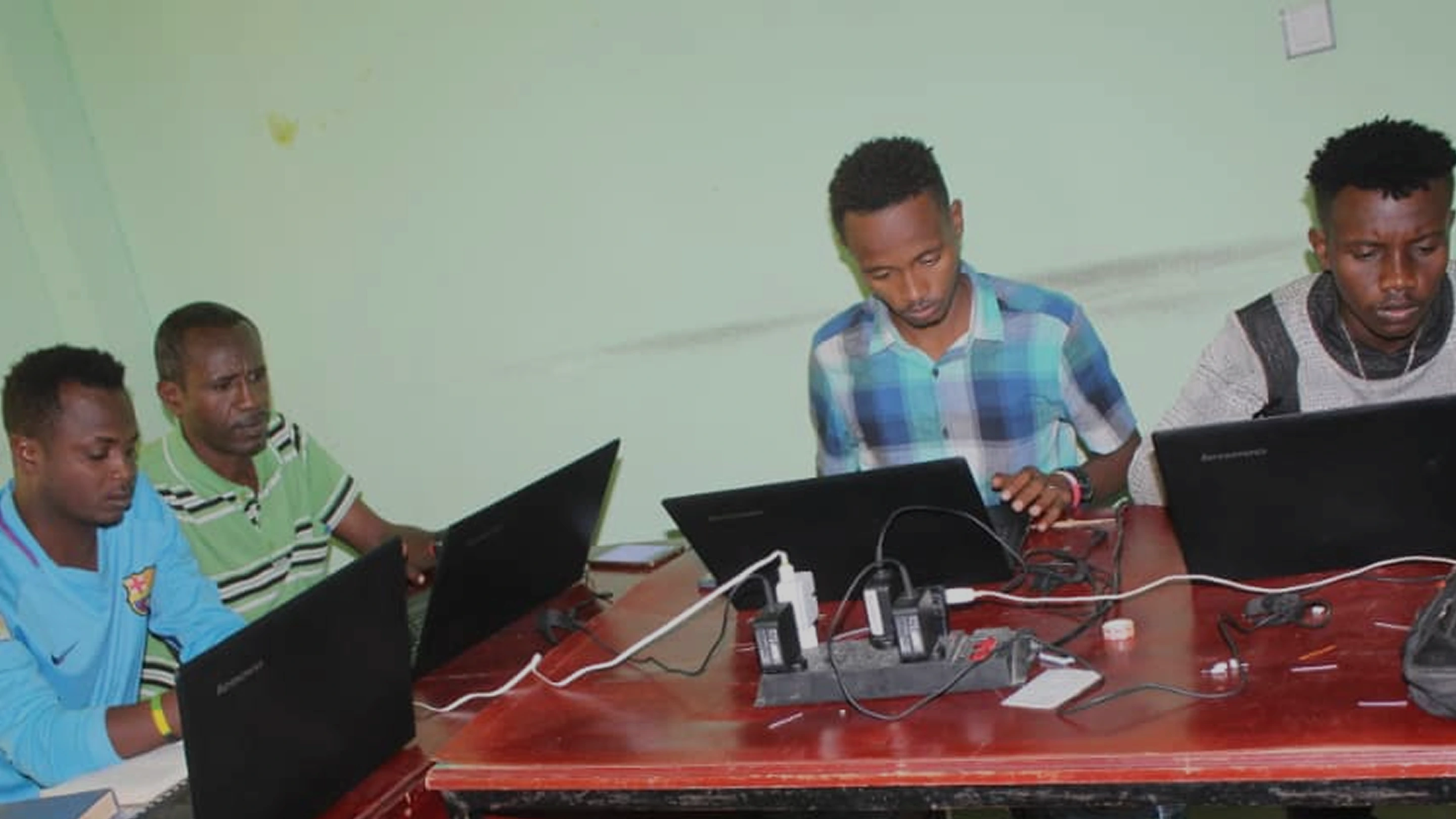
As technology advanced throughout the 1990s, translation teams were able to improve the speed and efficiency of Bible translation. At the same time, local translators took on more critical roles in translating Scripture. Cluster projects (groups of related languages working together on translations) emerged. Wycliffe continued to recognize the value that all roles played in bringing God’s Word to people around the world — from translators to prayer and financial partners to aviation workers and more!
1990
The Kunama people, many of whom are now engaged in translating the Kunama Bible, were forced to flee Eritrea due to civil unrest. As a result, this peaceful people scattered throughout Ethiopia, Sudan and North America.
2000s
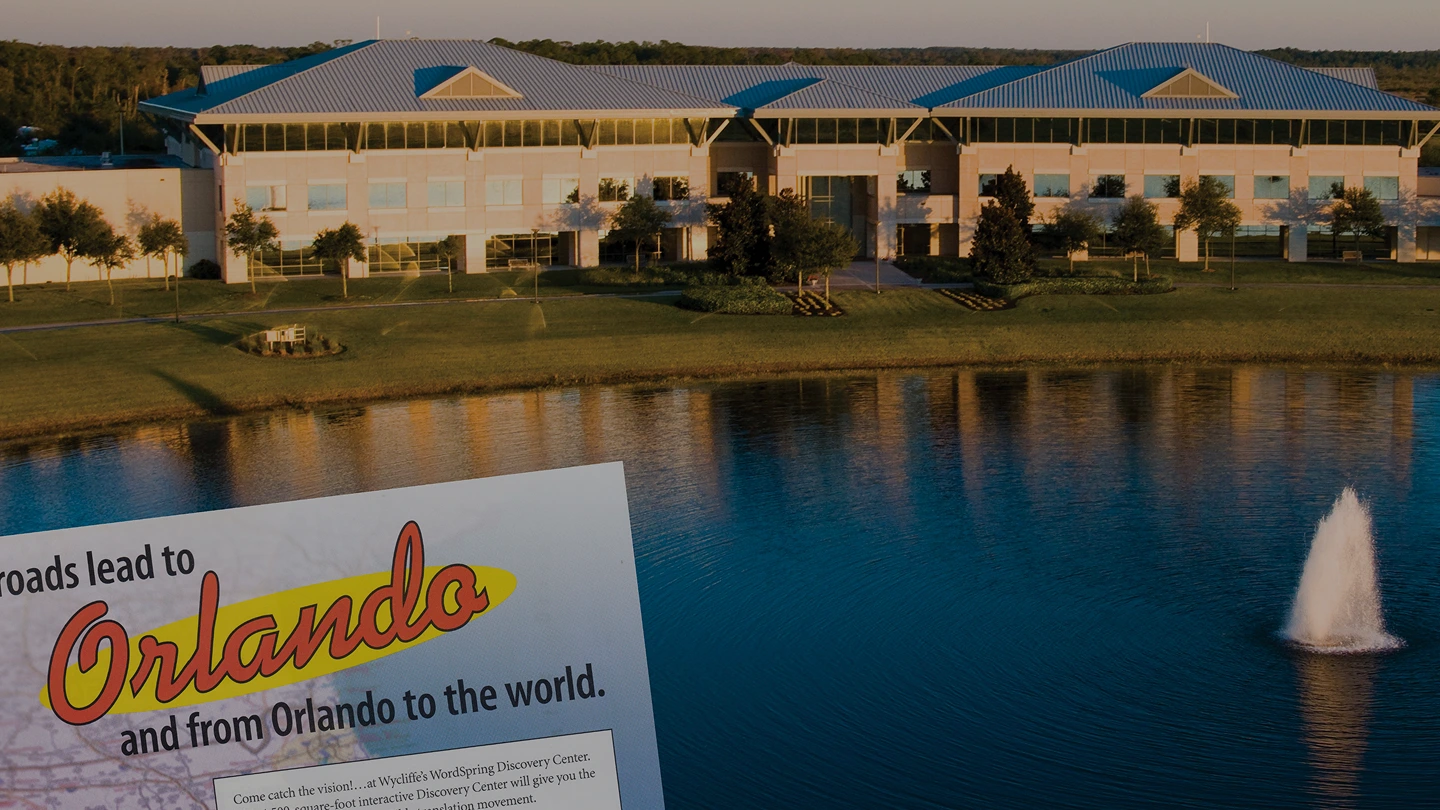
The first decade of the 2000s marked a time of monumental change in Bible translation. Wycliffe moved its headquarters to Orlando, Florida. Vision 2025, adopted in 1999, was implemented in the early 2000s. This vision expressed the goal of seeing a Bible translation in progress in every language still needing one by the year 2025.



2007
In 2007 the country officially recognized Estonian Sign Language as an independent language, and it is now being used in schools, daily television programs and government services.
View Story
2010s
The second decade of the 21st century brought more new and exciting changes to the acceleration of Bible translation worldwide. This progress included technological advances and partnerships with other Bible translation organizations, including many local organizations and churches that took ownership of the translation work in their own countries. With each translation project started, Wycliffe grows closer to seeing the number of languages still needing a translation drop to zero.
2013
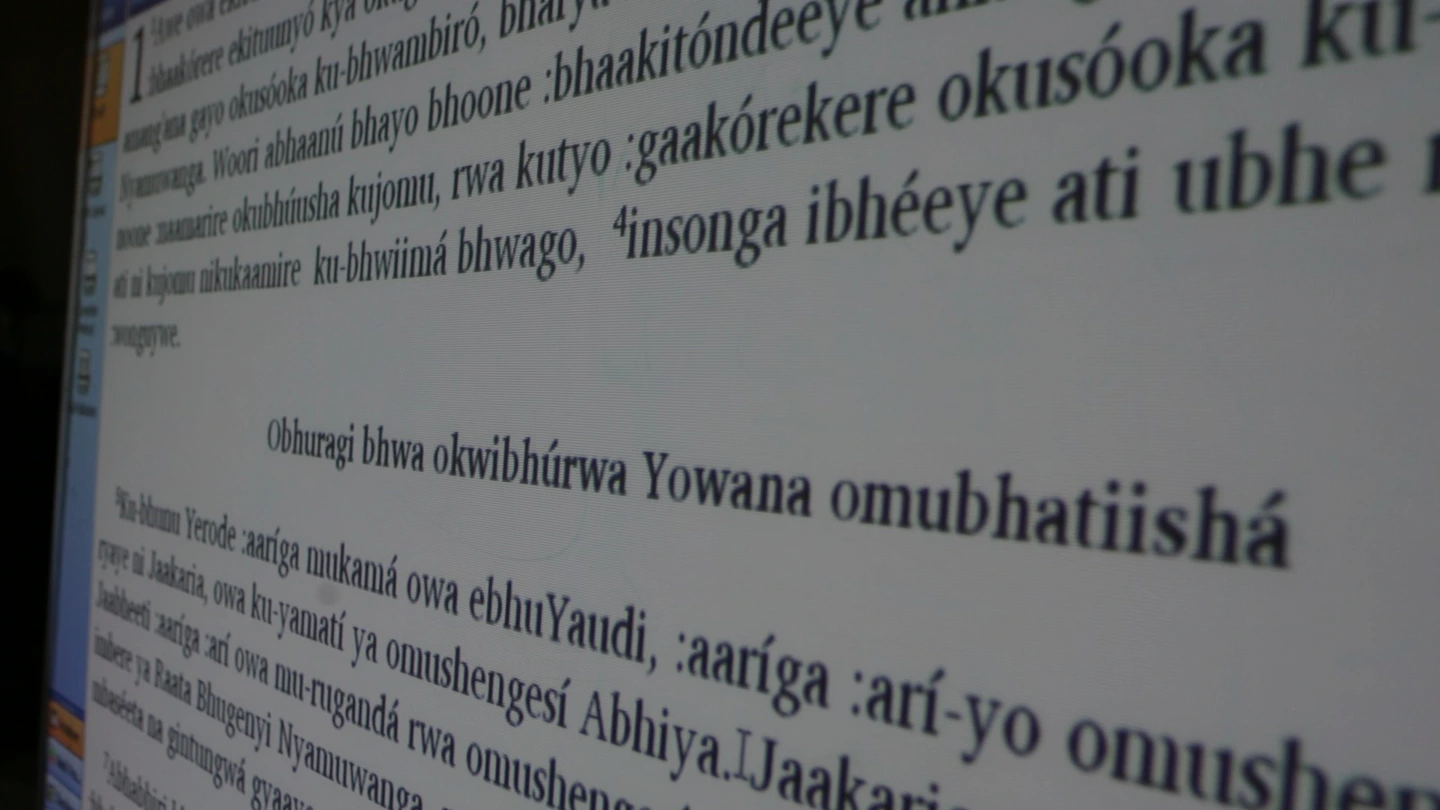
Wycliffe began using AI-assisted drafting to help translators create initial rough drafts, accelerating Bible translation work.
View Story
2020s
Bible translation is accelerating in unprecedented ways! All around the world, local churches are rising up and asking for Scripture in their own languages, knowing that God’s Word is the foundation for evangelism, discipleship, church planting and more. Wycliffe remains focused on its vision of seeing people from every language understand the Bible and be transformed. This is done by serving with the global body of Christ to advance Bible translation so people can encounter God through His Word.
2020
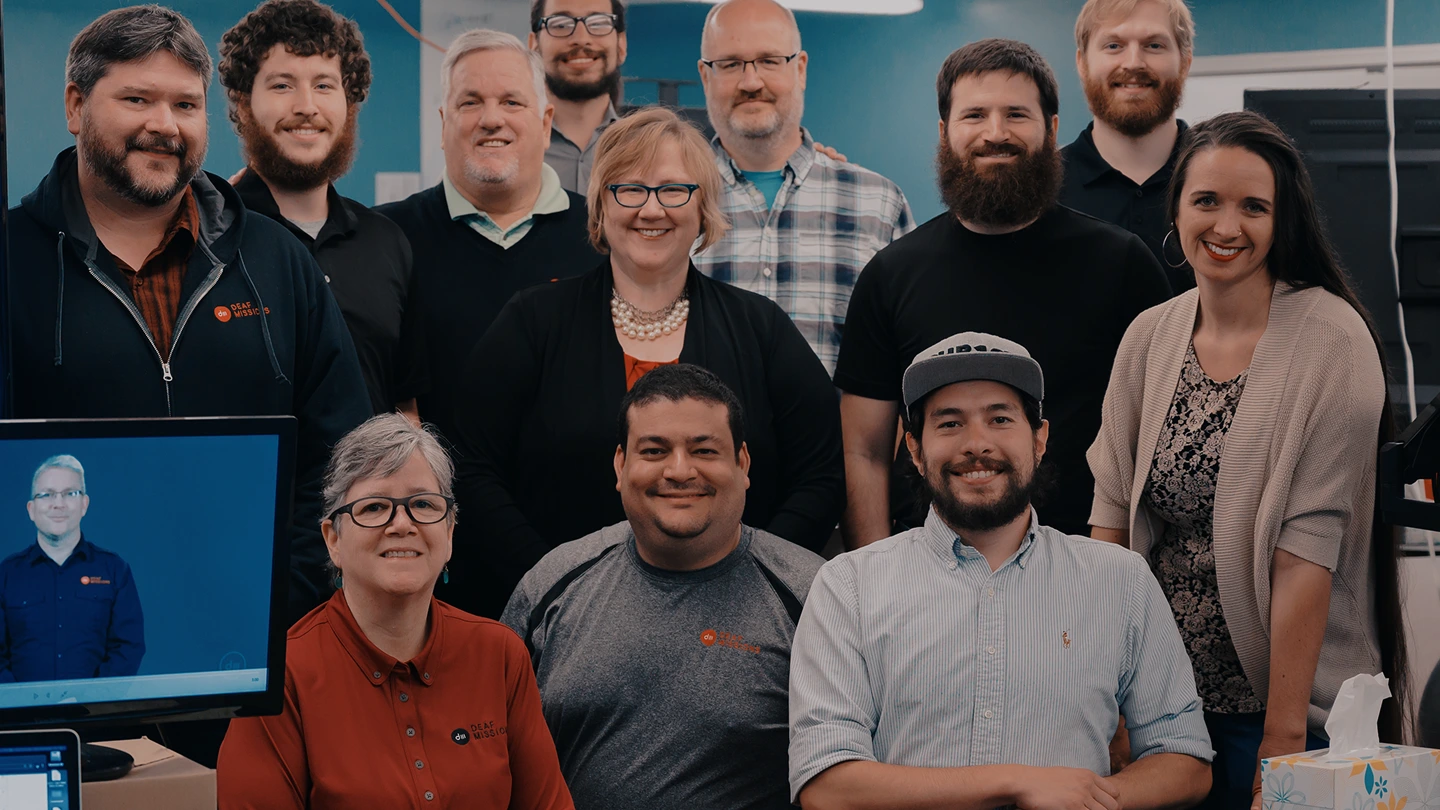
Translation work on the American Sign Language Version (ASLV) of the Bible, which began in 1982, was completed.
View Story
2021
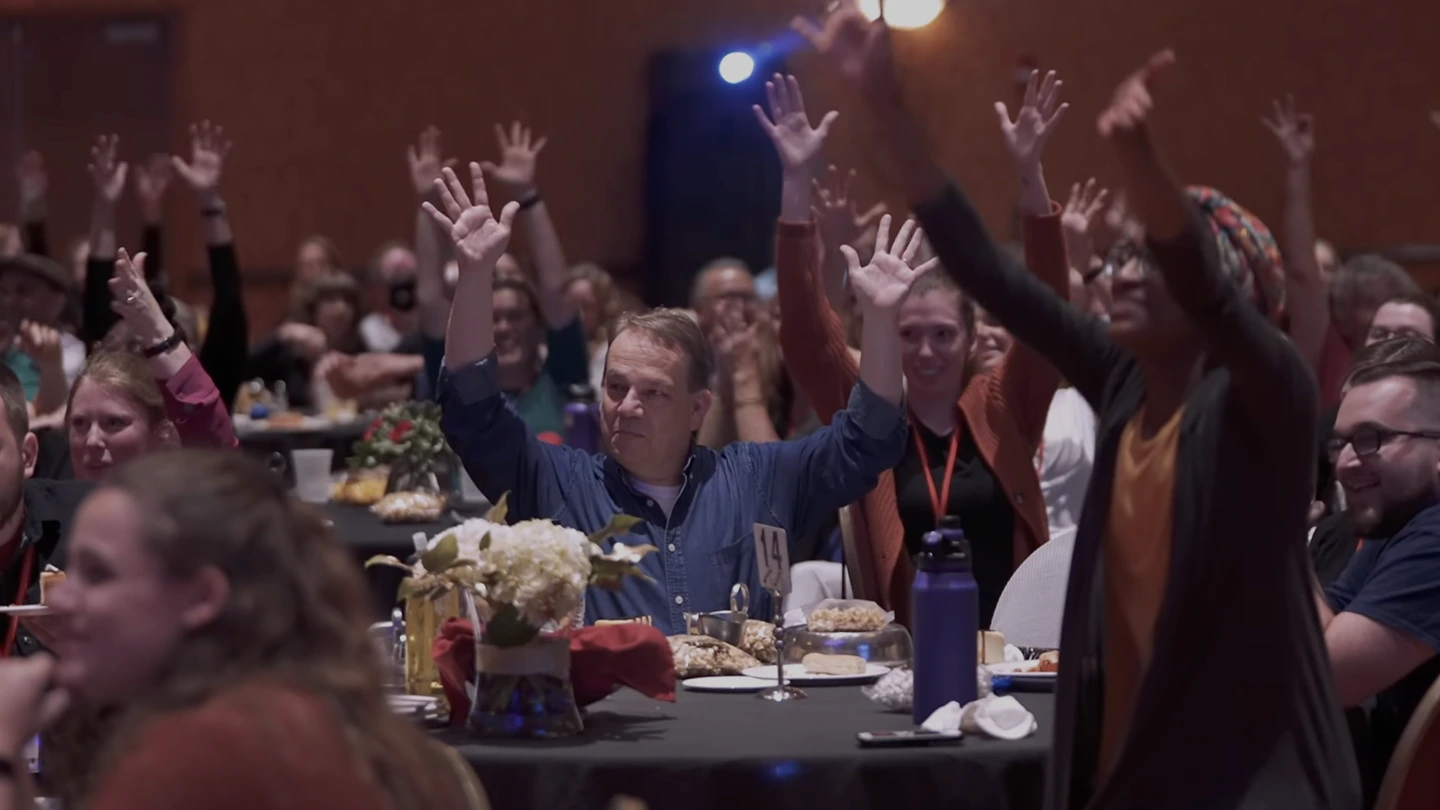
A gathering of Deaf believers celebrated in September 2021 as part of a Deaf Missions conference in Nebraska.
View Story
2023
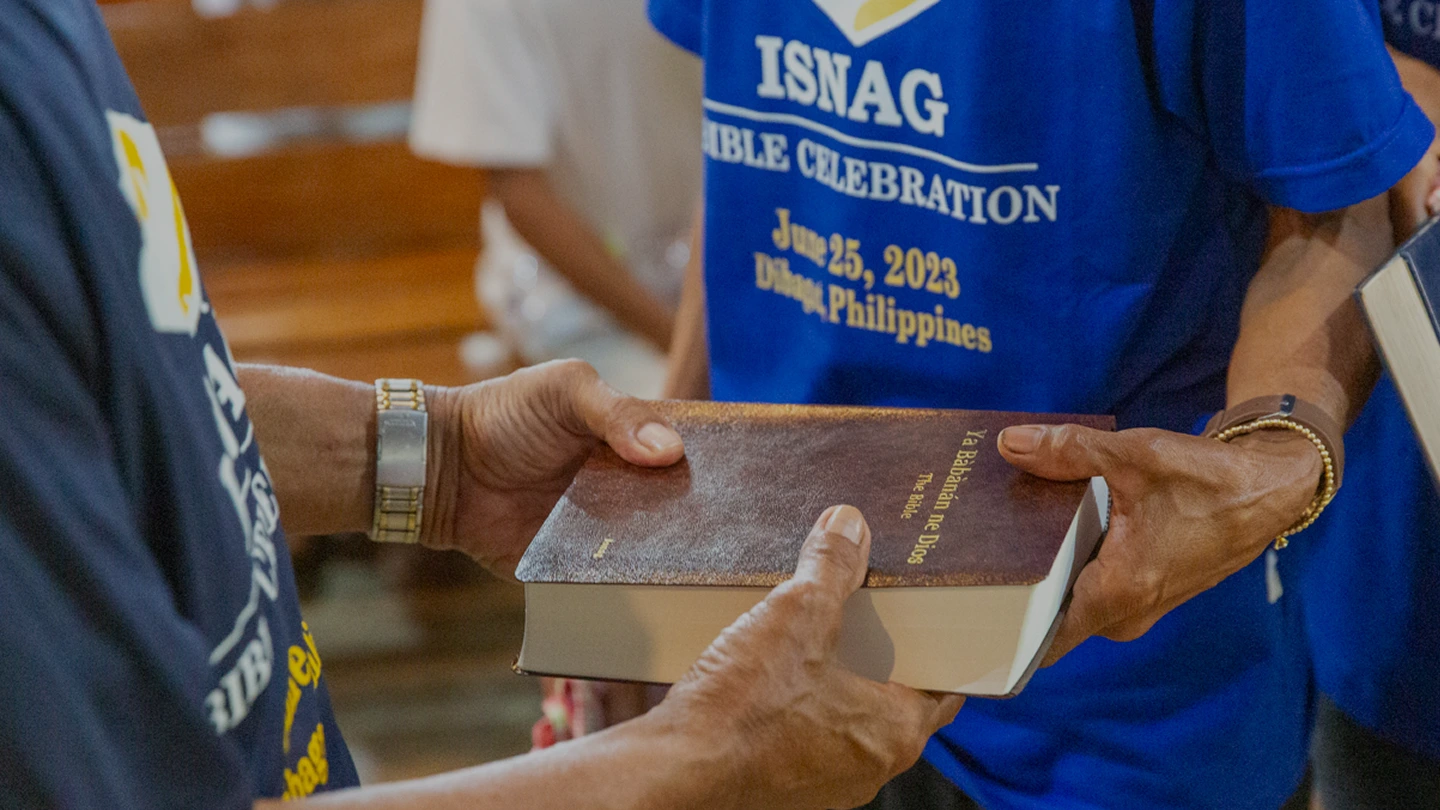
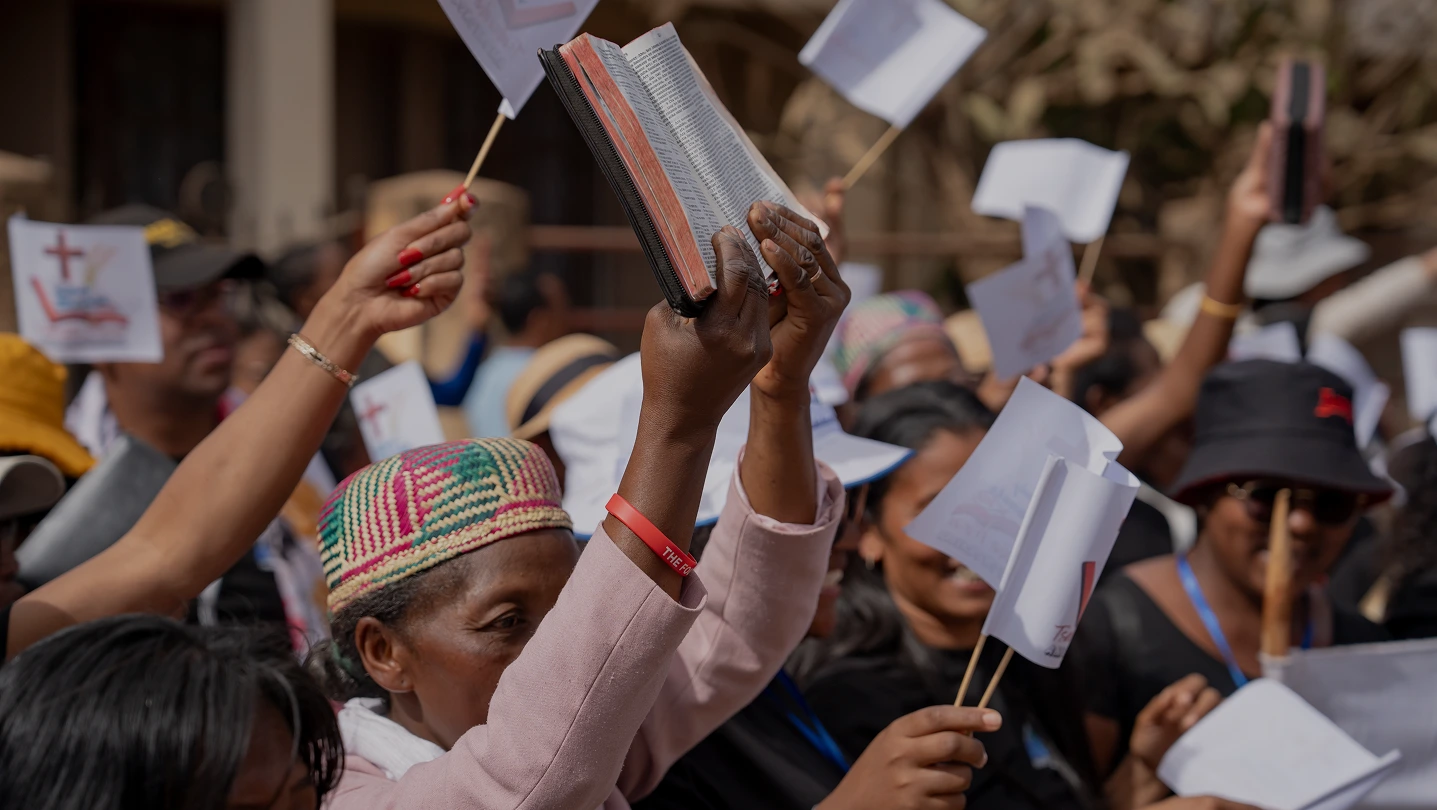
On June 25, 2023, more than 66 years after the gospel first arrived in Dibagat, Philippines, the full Isnag Bible was dedicated!
View Story
2024
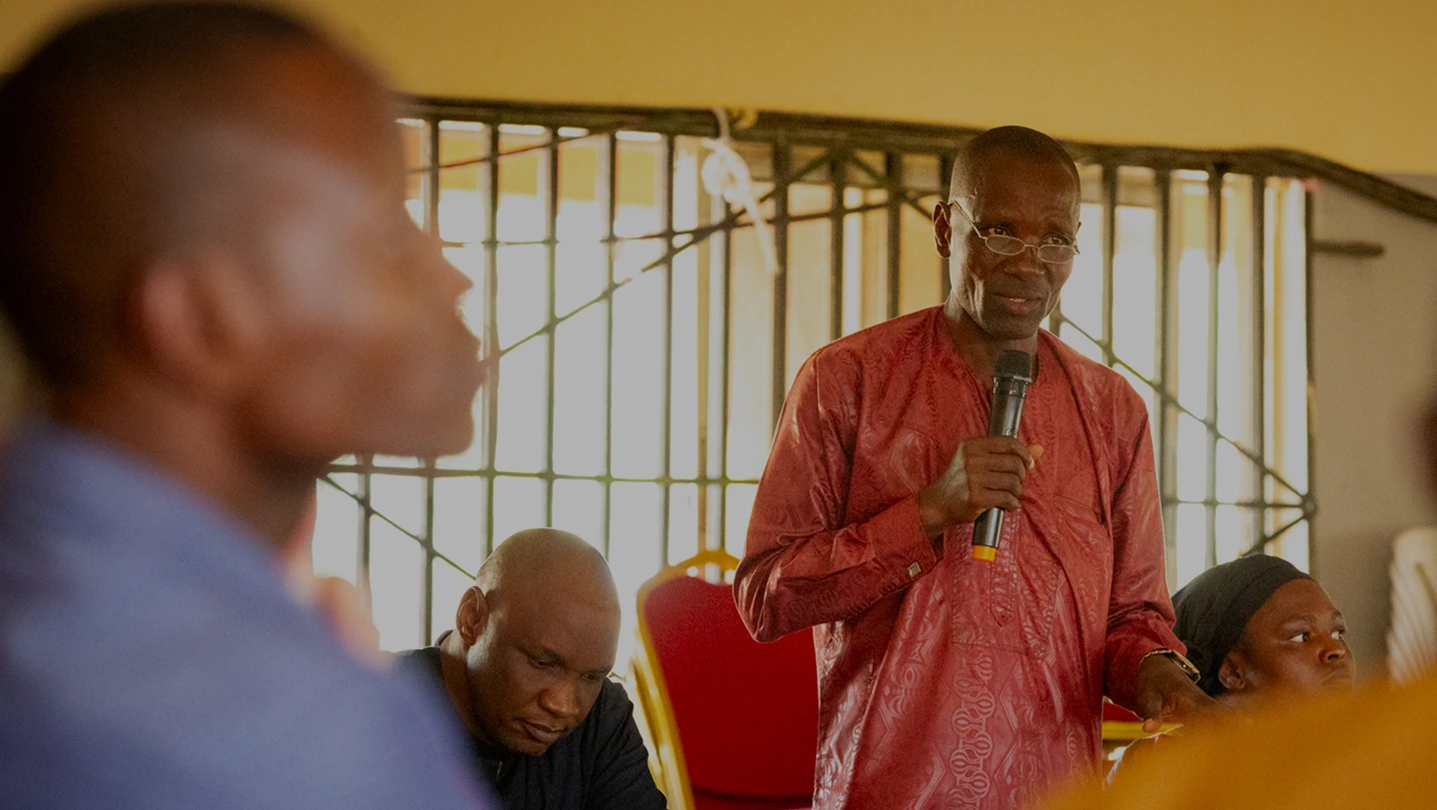
As of July 2024, the number of Vision 2025 languages needing translation in Nigeria dropped from over 250 to only a few dozen!
View Story
TODAY
All around the world, communities are encountering Jesus personally through Scripture in a language and format they clearly understand. Wycliffe won’t stop working until people from every language can understand the Bible and be transformed, pursuing a promised future described in Revelation 7:9a, “After this I saw a vast crowd, too great to count, from every nation and tribe and people and language, standing in front of the throne and before the Lamb” (NLT).