Back
Back

What Is a Diaspora Community, and How Does God Use It for His Glory?

Diaspora are dispersed people groups who settle outside of their homeland.
S

ometimes, a diaspora exists because of war or civil unrest. Residents of that region may be displaced as refugees, oftentimes finding themselves in neighboring countries — or even on the other side of the world.

In other cases, diaspora can refer to immigrants — and their descendants — who left their ancestral homeland by choice.

G

od uses diaspora communities to spread His Word farther and wider to reach more individuals in those people groups. In some cases, organizations that facilitate Bible translation find ways to connect members of a diaspora.

For instance, Sunny Hong is a Korean American Bible translation mobilizer who helps to locate people from language groups that still need fully translated Bibles. Some of these people live in areas where foreigners aren’t able to work easily. A global diaspora team helps to identify and locate people from these language groups in the diaspora community who can aid in translation work.

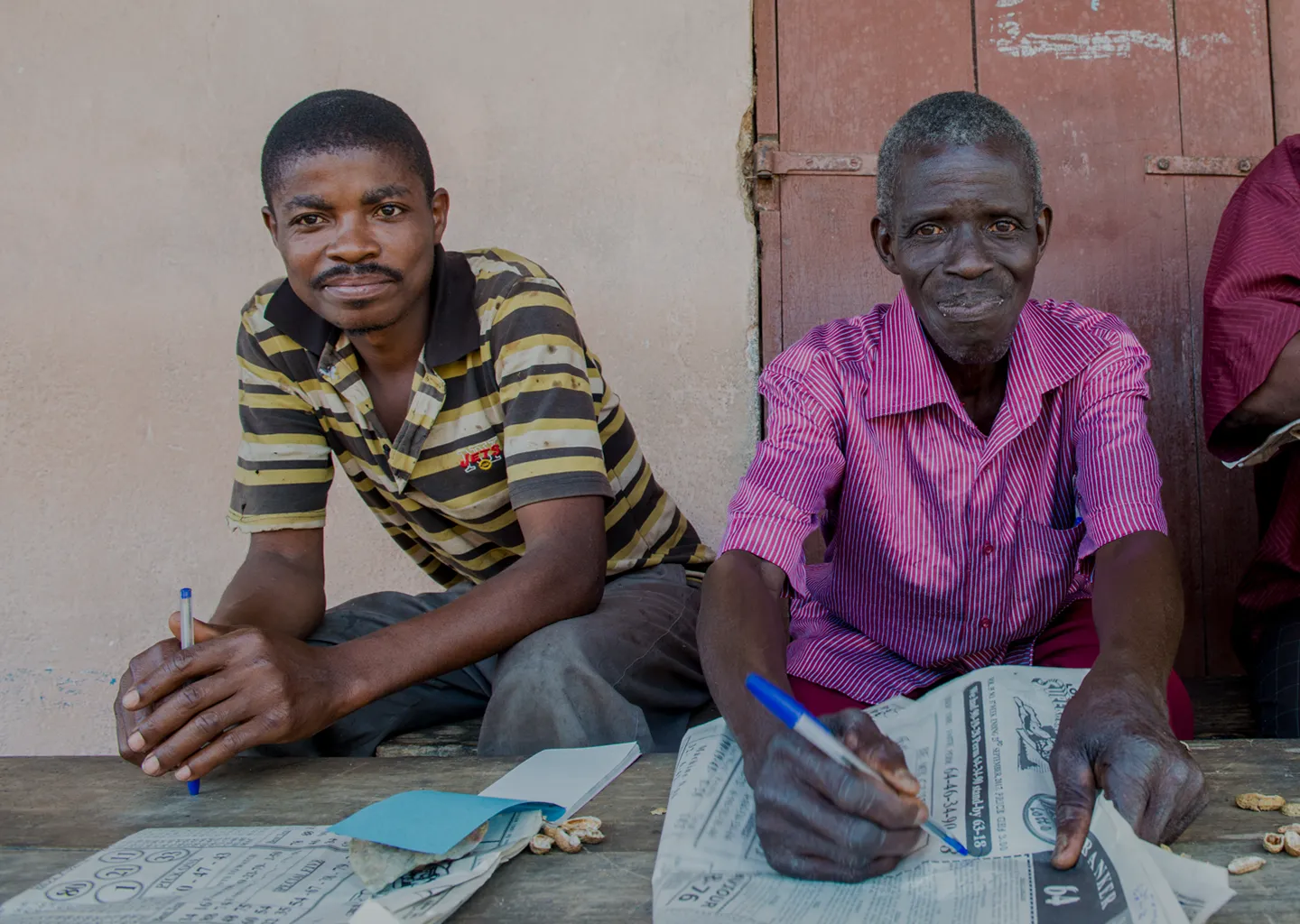
In some cases, organizations that facilitate Bible translation find ways to connect members of a diaspora.
The potential solution was to translate the Bible with people who are outside of their homeland: the diaspora.”
— Sunny Hong
Bible translation mobilizer | United States
L

anguage is often very important to diaspora
communities because it helps them stay
connected to their homeland.

“The only thing that’s left with them is their
language and their culture,” Sunny said.

Every diaspora Bible translation project is
unique.
Some projects begin in the team’s
home country but need to relocate due to
unrest. Other translations are based in the
United States from beginning to end.

W

hen diaspora people groups live in host
countries, such as the United States, they often
have better access to education, training and
financial resources than they did in their
homeland. And when the diaspora and
homeland communities work together, the
entire language group can benefit. This mutual
support enables the group to take ownership
of a project despite distance and dispersion.

The Kunama Bible: A Story of
Trans-Continental Translation

Sometimes, a diaspora community bands
together across oceans and continents to
create a Bible translation for its people.
This is exactly what happened in the case
of the Kunama.

Stefano, a Kunama speaker whose people
had been dispersed around the world, was
a refugee living in the United States. He
was determined to bring the Bible to his
people in their language, so he contacted
Wycliffe for support.

There are an estimated 464,000 Kunama speakers worldwide.

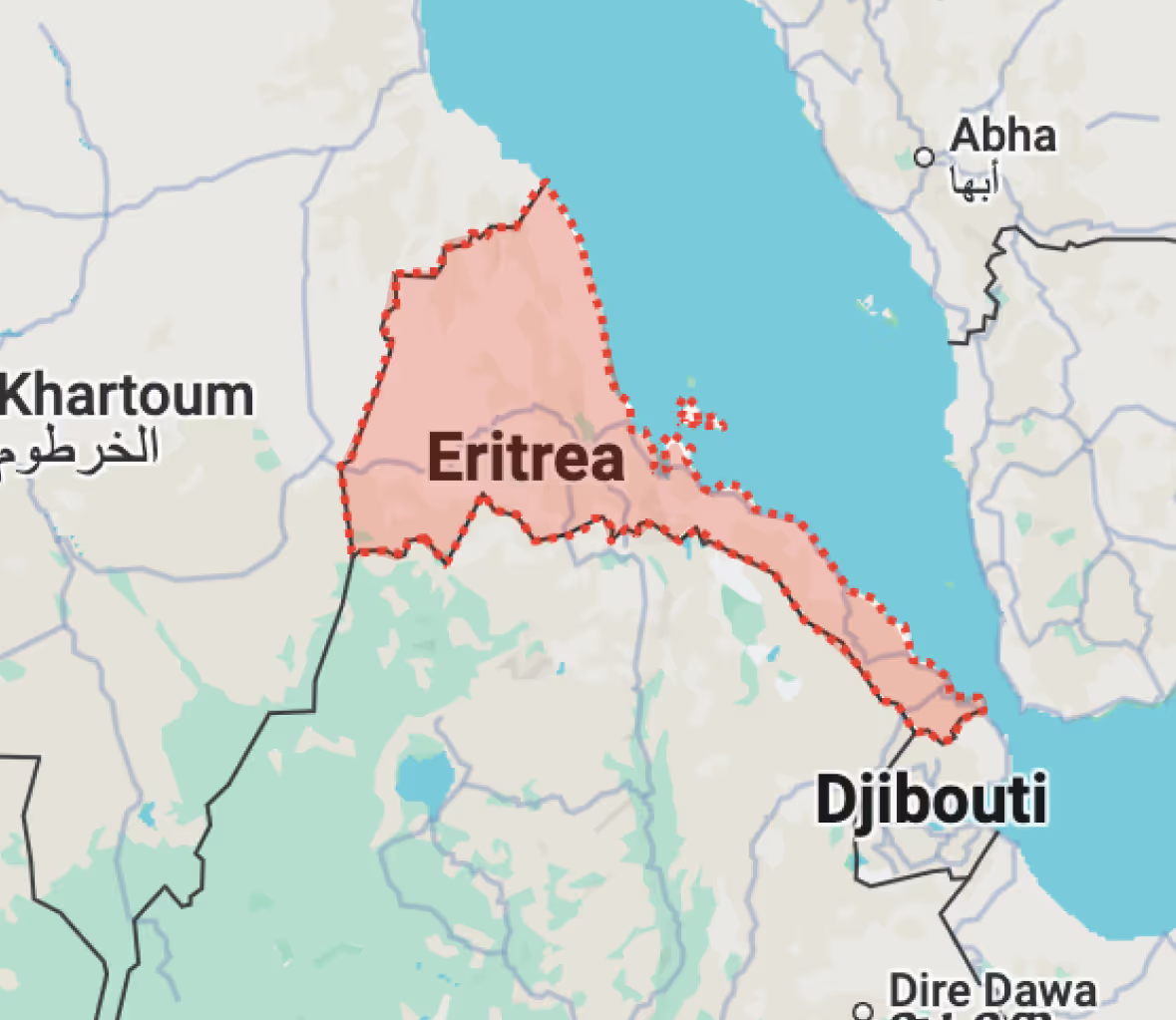
The Kunama, who had previously resided in the East African country Eritrea, are a peaceful people who were forced to flee in the late 1990s due to civil unrest. When the conflict ended, many fled to nearby Ethiopia, others to Sudan. Some have lived in refugee camps ever since, while others scattered around the globe. For most of them, returning home isn’t an option.

Did you know ... ?

The word kunama means “good” — a fitting name for this Eritrean people group that places communal harmony above individual prosperity.

In Kunama culture, when a family needs help with their harvest, they often call on their neighbors for assistance. And their friends gladly come, even though their only payment will be food provided by the family. This happens so often that they have a name for it — kowa.

Share
Share this story
Share what God’s doing with your friends and family
This is some text inside of a div block.
T

his was true for Stefano, whose entire family
had fled Eritrea when he was a teenager. For
seven days, they traveled on foot before
reaching the Ethiopian border.

“Everyone had to cut trees to build shelters;
we all helped one another,” he said. “If not
for help from God, many would have passed
away. But everything happened for a reason.
God humbled us and made us closer to
Him.”

Stefano slept on the streets of Sudan, eventually getting to the
United States in December 1986. In the U.S., he accepted Jesus
as his Savior while listening to a street preacher pray. This was a
pivotal moment for him; he realized the importance of having
God’s Word in Kunama.

When you read [the Bible] and if you don’t understand [it] well, you don’t go back next time. But whenever they have a book that’s easy to read and is written [in] the dialect that they use every day, I believe they will love it, reading. And they will go deep into God’s Word.”
— Kammi Humed
Kunama Bible translator

Stefano returned to Ethiopia and met with other Kunama Christians in the refugee camps who also wanted a more accurate translation of Scripture in their language. While the Bible had been translated into Kunama before, it contained inaccuracies and missing verses, which made it difficult to understand fully. Stefano and the refugees shared the same vision, but they were going to need more help.

It’s often the more subtle things that don’t come across in another language that are the most important -- the things that really speak to people and answer the needs that they have and the struggles of life. They really need to hear everything God wants to communicate to them.”
— Jeff Shrum
Language technology consultant
S

tefano catalyzed a collaboration between
Wycliffe Ethiopia, Eritrean Bible Society,
Wycliffe USA and The Jesus Film Project.
Ultimately, two teams emerged: one in
Ethiopia, revising the Kunama Old
Testament, and one in Canada composed of
nine men translating the New Testament.

These translators have overcome
significant obstacles and challenges,
serving faithfully and humbly to bring
Scripture to the Kunama diaspora.

I have read the Bible through again and again, and I thought I knew a lot until I joined the translation team, until I tried to rewrite [it] in Kunama. And I found it very different. That’s the thing: The Bible says the Word of God is new every morning. And that’s what I learned. There was always more. Always more. That’s what I believe.”
— Araya Zekerias
Kunama Bible translator

How can people receive God’s Word unless it is in a language they understand?

In many cases, teams can eventually deliver the translated Scripture to their home country. While the Kunama may not be able to do so, other diaspora communities have returned home with God’s Word in their hands.

For instance, displaced people from an Asian country encountered God while living in the U.S. as refugees. They continued to learn God’s Word, eventually translating the Bible into their language. After becoming American citizens and receiving their U.S. passports, they were able to visit their home country, where they shared the translated Scripture.

This is why Bible translation matters —

God empowers believers all over the world, both local and
displaced, to reach their communities with His Word. In the face
of seemingly insurmountable circumstances, He proves over and
over that through Him, all things are possible.

A lot of people that we’ve talked to hear [translated Scripture] for the first time and they say, ‘Wow, God speaks my language? He knows me?’”
— Greg Pearson
Bible translation consultant
CHOOSE A STORY
Making a Difference Now and For Generations to Come
Miraculous Moments in Madagascar
Sign Languages: The Final Push in Bible Translation
Translation Innovation: God's Door to More Hearts: Part I
How Local Churches Are Driving Worldwide Bible Translation Efforts
God’s Word is Coming Home to Hearts in Nigeria
Prayer fuels Bible translation! Let’s pray together now for diaspora communities translating Scripture worldwide.
Prayer

What Is a Diaspora Community, and How Does God Use It for His Glory?

For an immersive experience
view this on desktop

What is a diaspora, and how does God use it to spread His Word?

Diaspora are dispersed people groups who settle outside of their homeland. 

Sometimes, a diaspora exists because of war or civil unrest. Residents of that region may be displaced as refugees, oftentimes finding themselves in neighboring countries — or even on the other side of the world.

In other cases, diaspora can refer to immigrants — and their descendants — who left their ancestral homeland by choice.

God uses diaspora communities to spread His Word farther and wider to reach more individuals in those people groups. In some cases, organizations that facilitate Bible translation find ways to connect members of a diaspora.

For instance, Sunny Hong is a Korean American Bible translation mobilizer who helps to locate people from language groups that still need fully translated Bibles. Some of these people live in areas where foreigners aren’t able to work easily. A global diaspora team helps to identify and locate people from these language groups in the diaspora community who can aid in translation work.
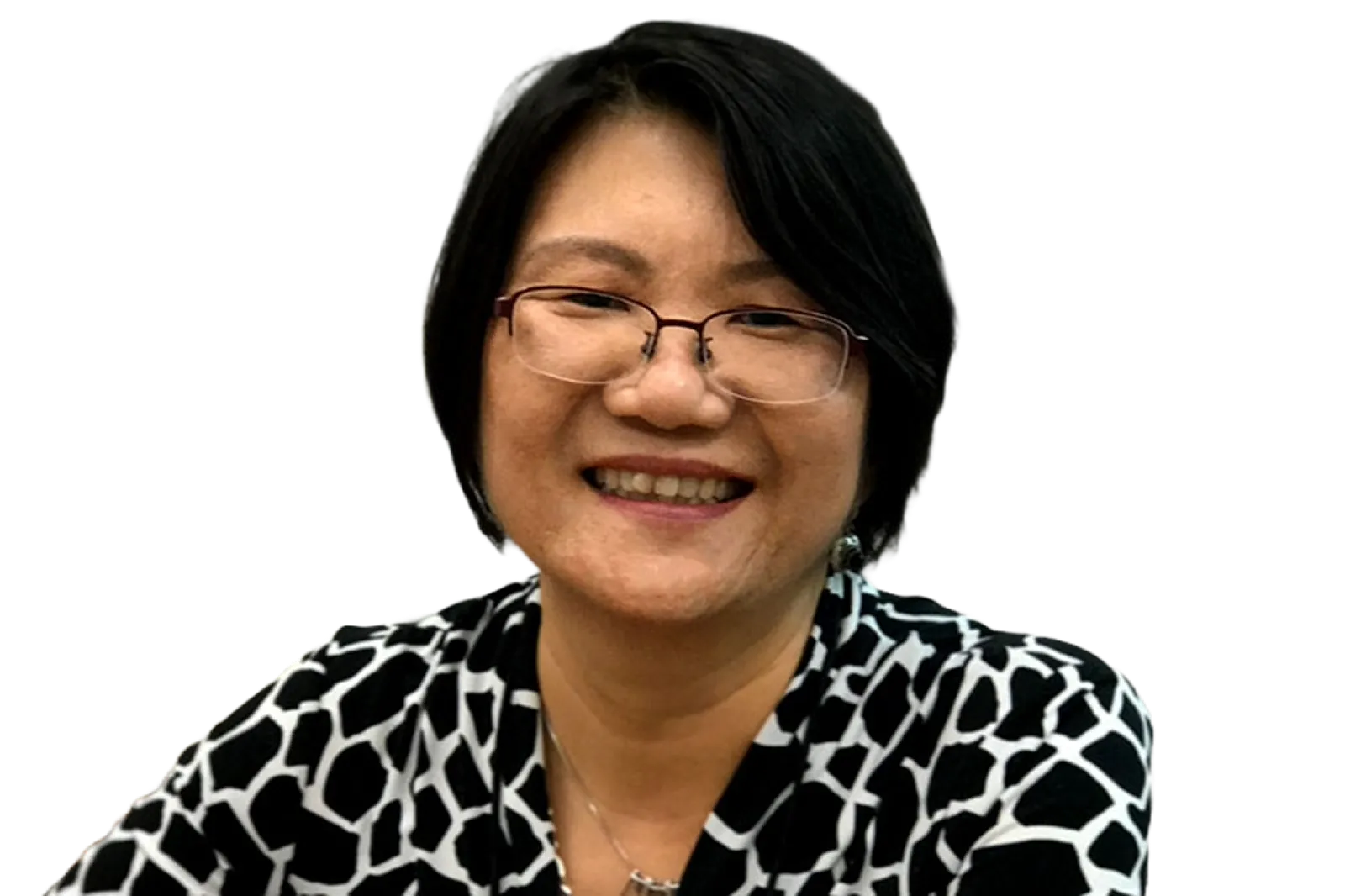
In some cases, organizations that facilitate Bible translation find ways to connect members of a diaspora.

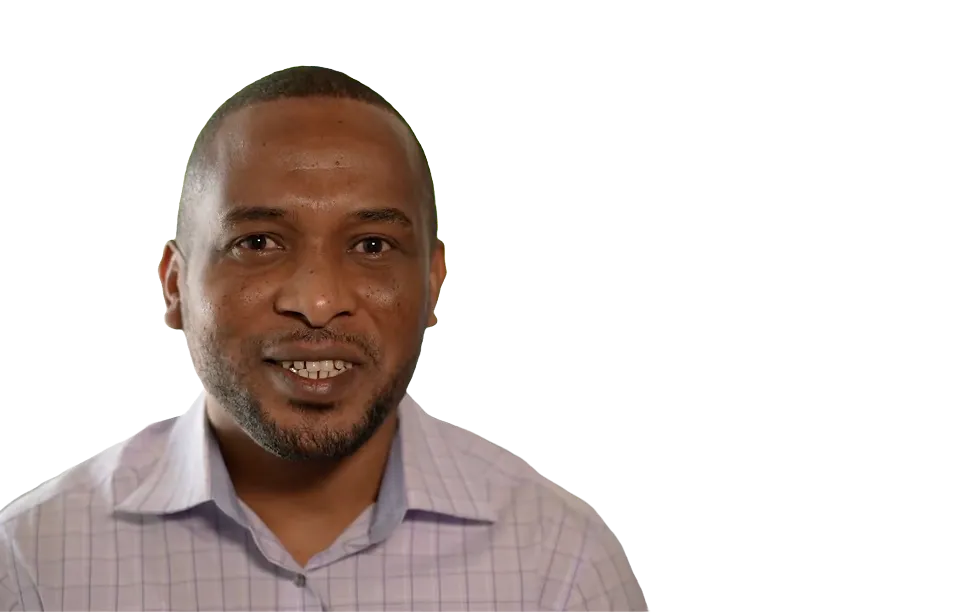
“The potential solution was to translate the Bible with people who are outside of their homeland: the diaspora.”

Language is often very important to diaspora communities because it helps them stay connected to their homeland.

“The only thing that’s left with them is their language and their culture,” Sunny said.

Every diaspora Bible translation project is unique. Some projects begin in the team’s home country but need to relocate due to unrest. Other translations are based in the United States from beginning to end.
When diaspora people groups live in host countries, such as the United States, they often have better access to education, training and financial resources than they did in their homeland. And when the diaspora and homeland communities work together, the entire language group can benefit. This mutual support enables the group to take ownership of a project despite distance and dispersion.
The Kunama Bible: A Story of Trans-Continental Translation

Sometimes, a diaspora community bands together across oceans and continents to create a Bible translation for its people. This is exactly what happened in the case of the Kunama.

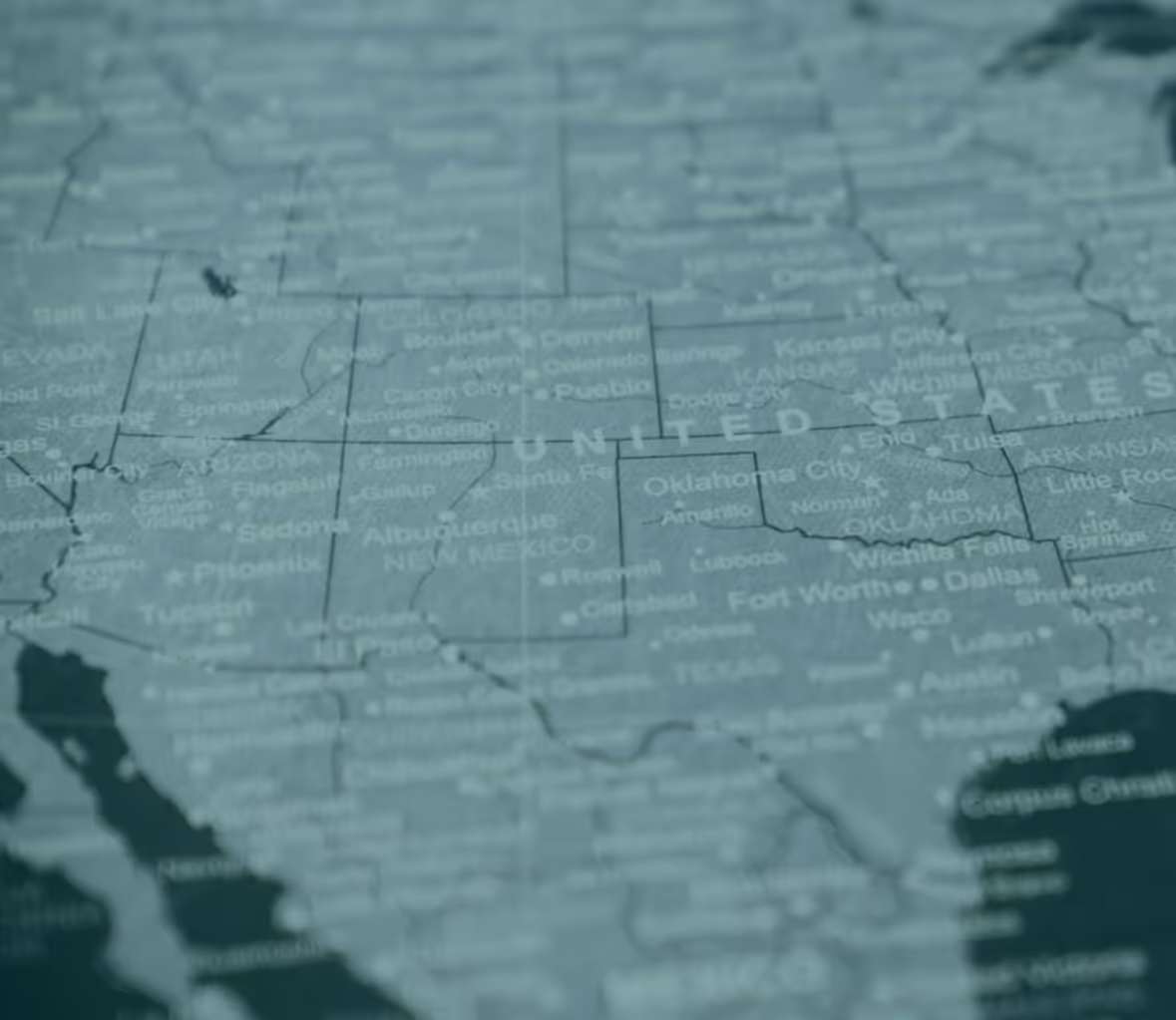
Stefano, a Kunama speaker whose people had been dispersed around the world, was a refugee living in the United States. He was determined to bring the Bible to his people in their language, so he contacted Wycliffe for support. 
There are an estimated 464,000 Kunama speakers worldwide.

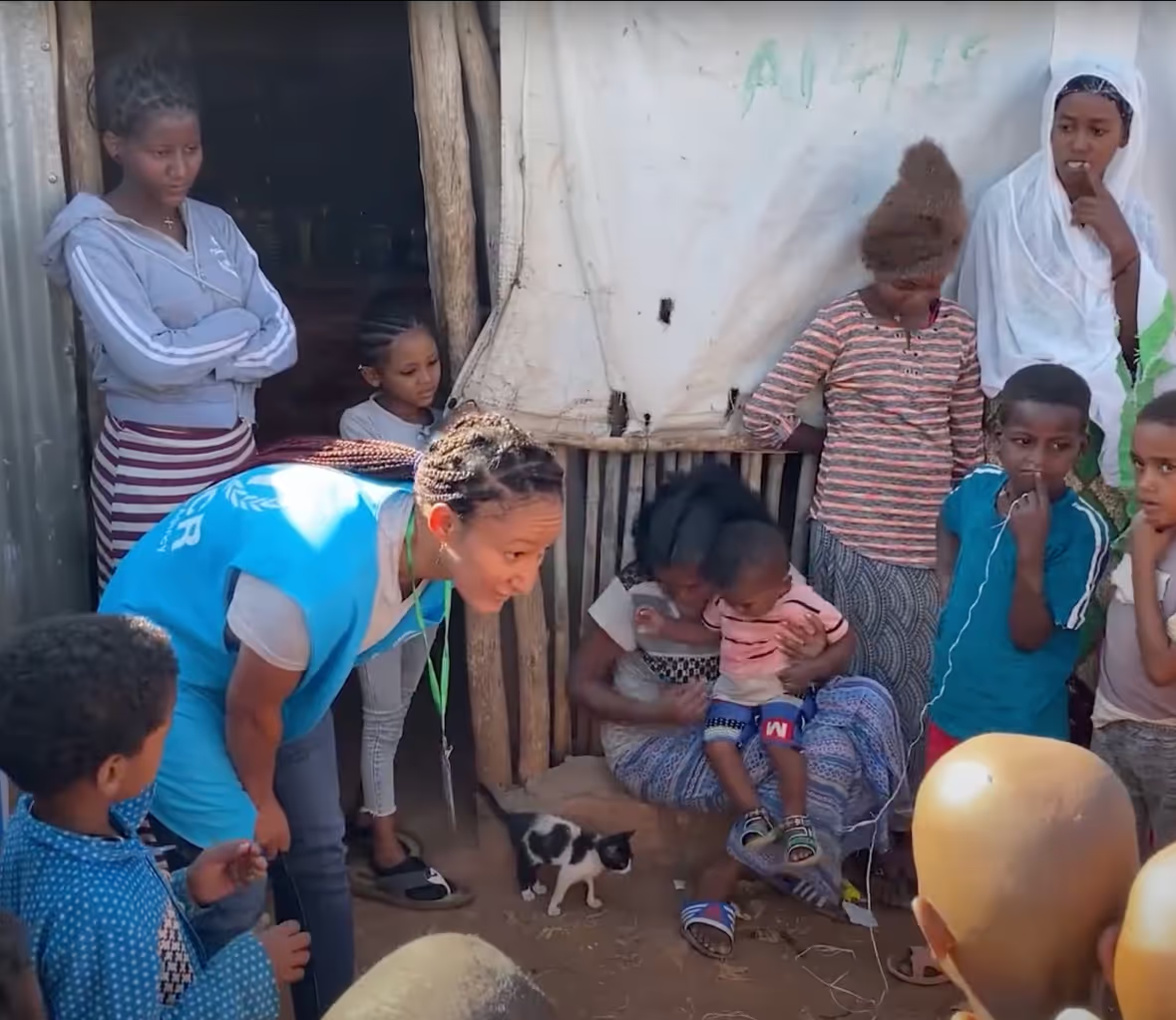
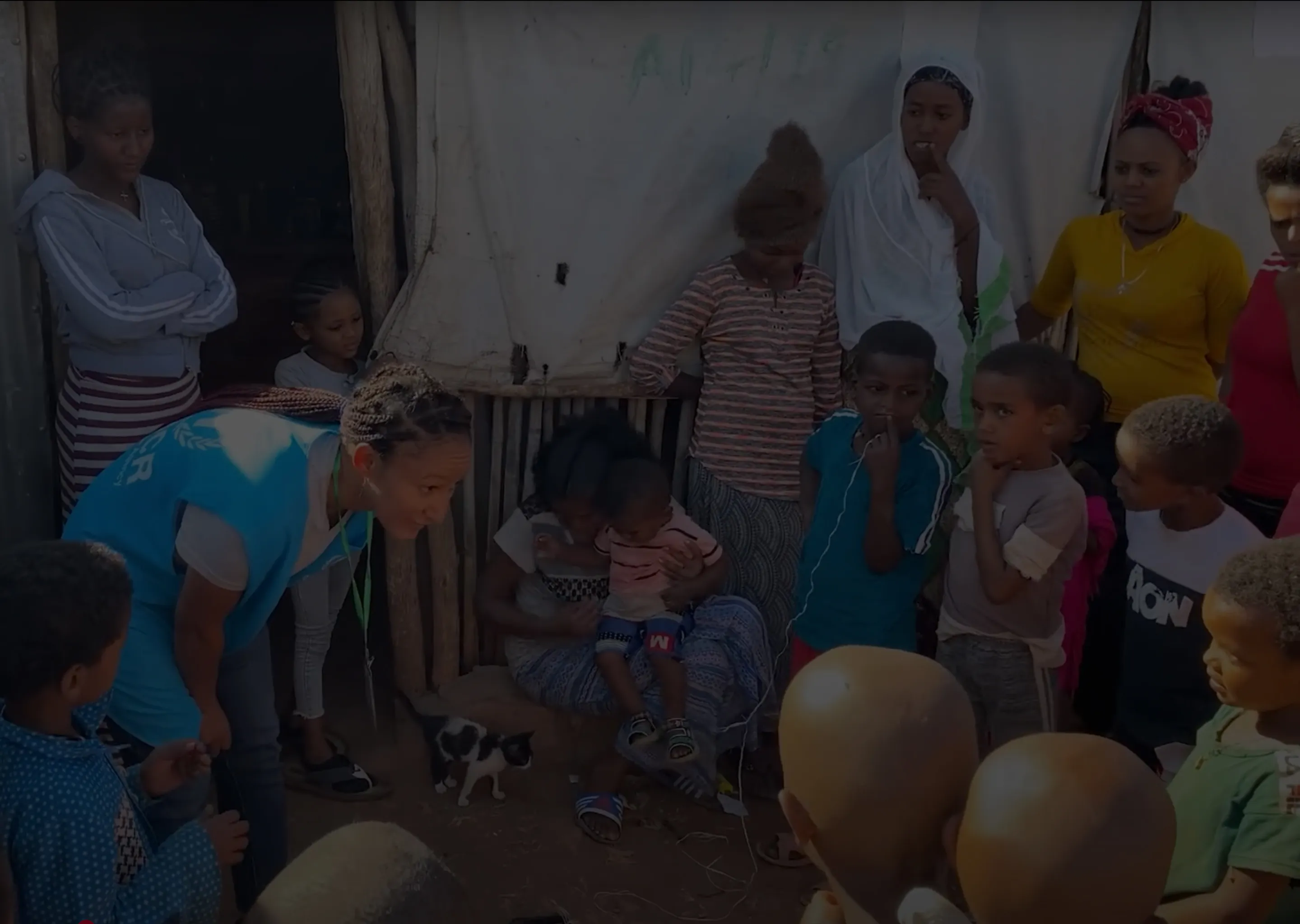
The Kunama, who had previously resided in the East African country Eritrea, are a peaceful people who were forced to flee in the late 1990s due to civil unrest. When the conflict ended, many fled to nearby Ethiopia, others to Sudan. Some have lived in refugee camps ever since, while others scattered around the globe. For most of them, returning home isn’t an option.
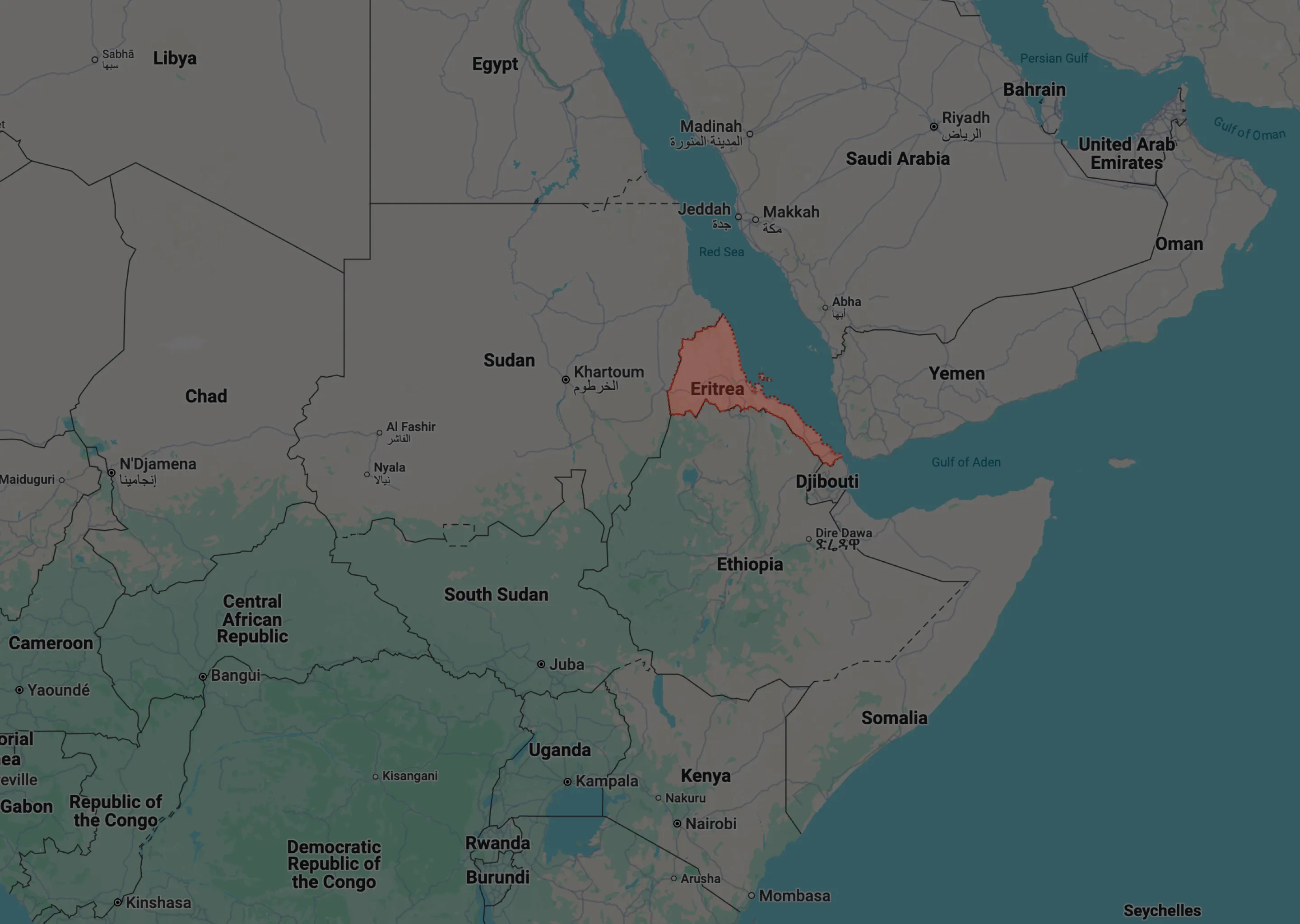
Did you know ... ?

The word kunama means “good” — a fitting name for this Eritrean people group that places communal harmony above individual prosperity.

In Kunama culture, when a family needs help with their harvest, they often call on their neighbors for assistance. And their friends gladly come, even though their only payment will be food provided by the family. This happens so often that they have a name for it — kowa.

This was true for Stefano, whose entire family had fled Eritrea when he was a teenager. For seven days, they traveled on foot before reaching the Ethiopian border.

“Everyone had to cut trees to build shelters; we all helped one another,” he said. “If not for help from God, many would have passed away. But everything happened for a reason. God humbled us and made us closer to Him.”
This was true for Stefano, whose entire family had fled Eritrea when he was a teenager. For seven days, they traveled on foot before reaching the Ethiopian border.

“Everyone had to cut trees to build shelters; we all helped one another,” he said. “If not for help from God, many would have passed away. But everything happened for a reason. God humbled us and made us closer to Him.”

Stefano slept on the streets of Sudan, eventually getting to the United States in December 1986. In the U.S., he accepted Jesus as his Savior while listening to a street preacher pray. This was a pivotal moment for him; he realized the importance of having God’s Word in Kunama.
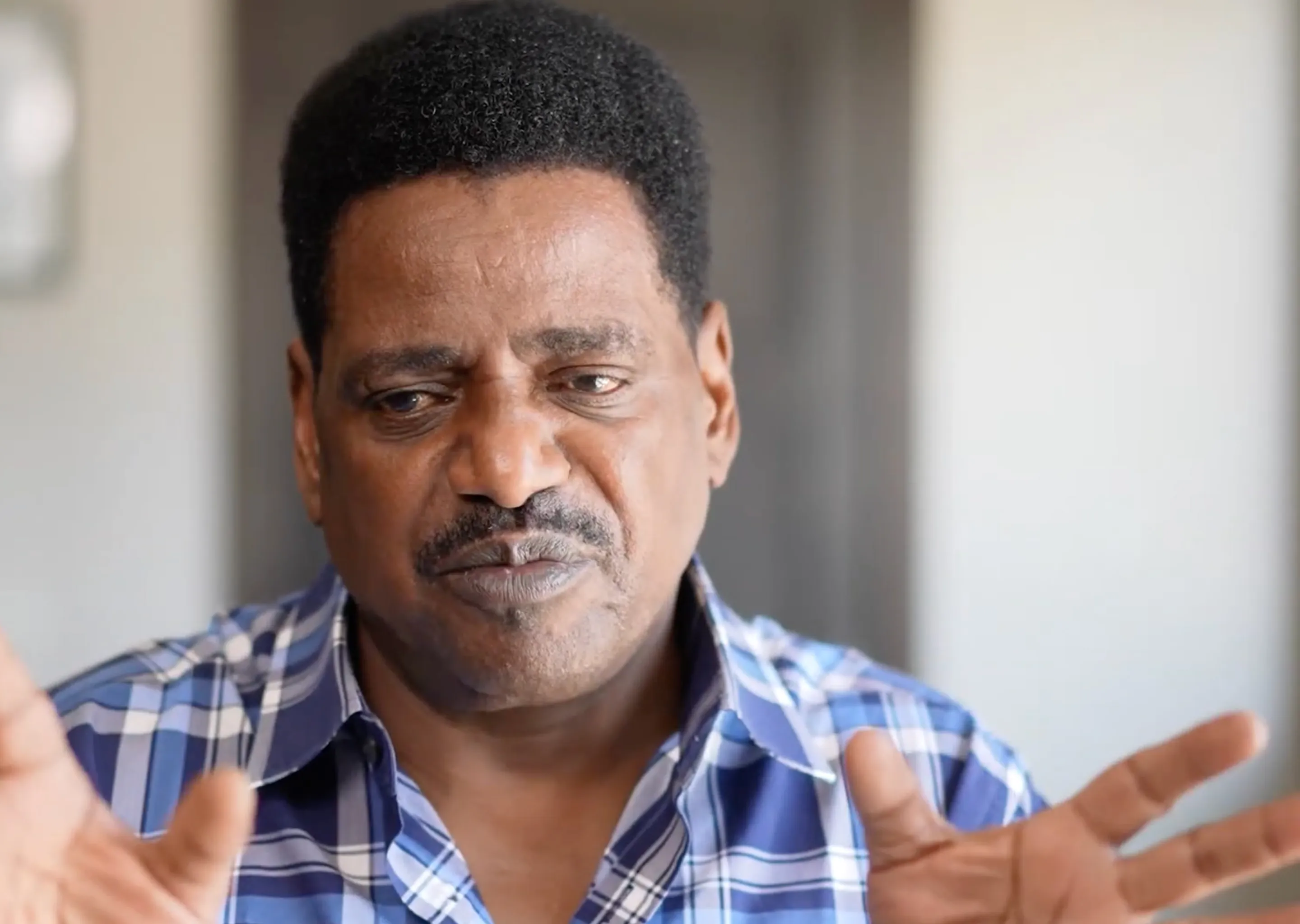
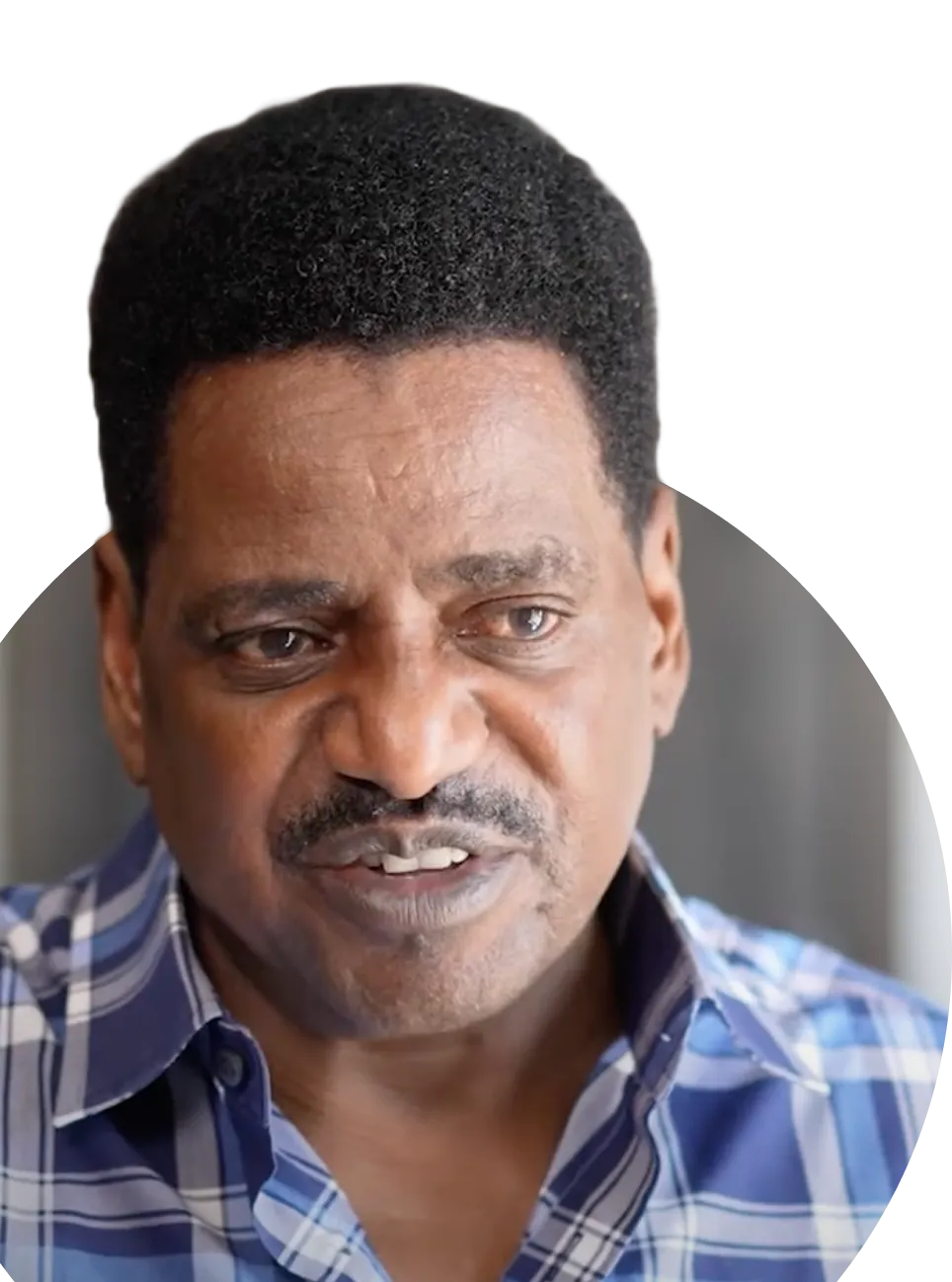
“When you read [the Bible] and if you don’t understand [it] well, you don’t go back next time. But whenever they have a book that’s easy to read and is written [in] the dialect that they use every day, I believe they will love it, reading. And they will go deep into God’s Word.”

Stefano returned to Ethiopia and met with other Kunama Christians in the refugee camps who also wanted a more accurate translation of Scripture in their language. While the Bible had been translated into Kunama before, it contained inaccuracies and missing verses, which made it difficult to understand fully. Stefano and the refugees shared the same vision, but they were going to need more help.
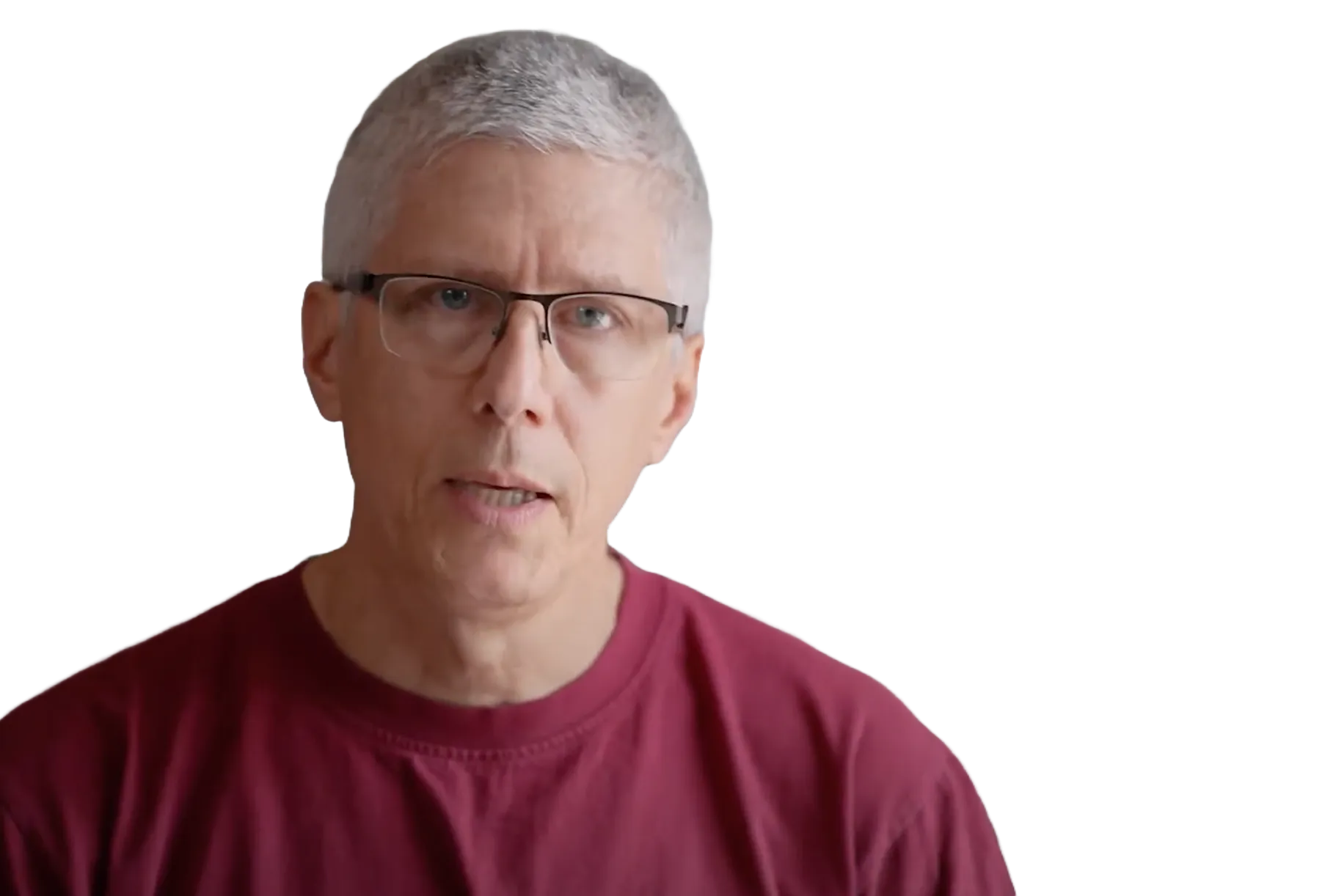
“It’s often the more subtle things that don’t come across in another language that are the most important -- the things that really speak to people and answer the needs that they have and the struggles of life. They really need to hear everything God wants to communicate to them.”

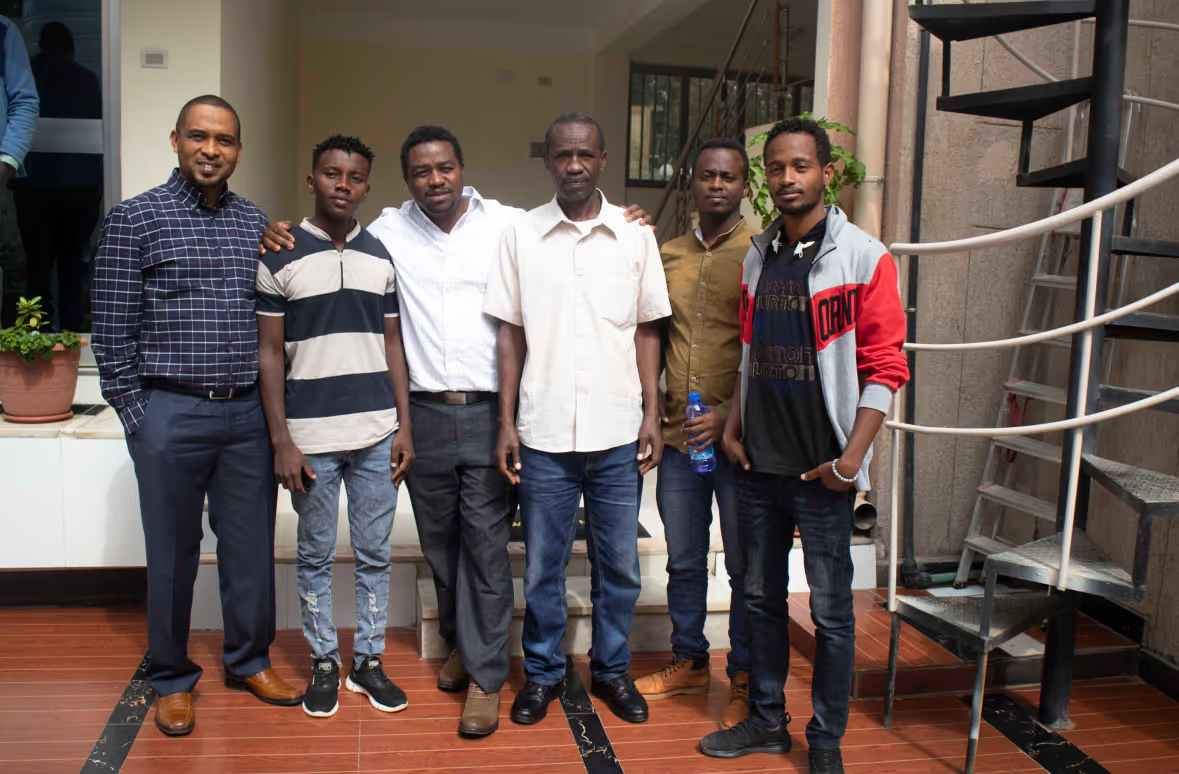
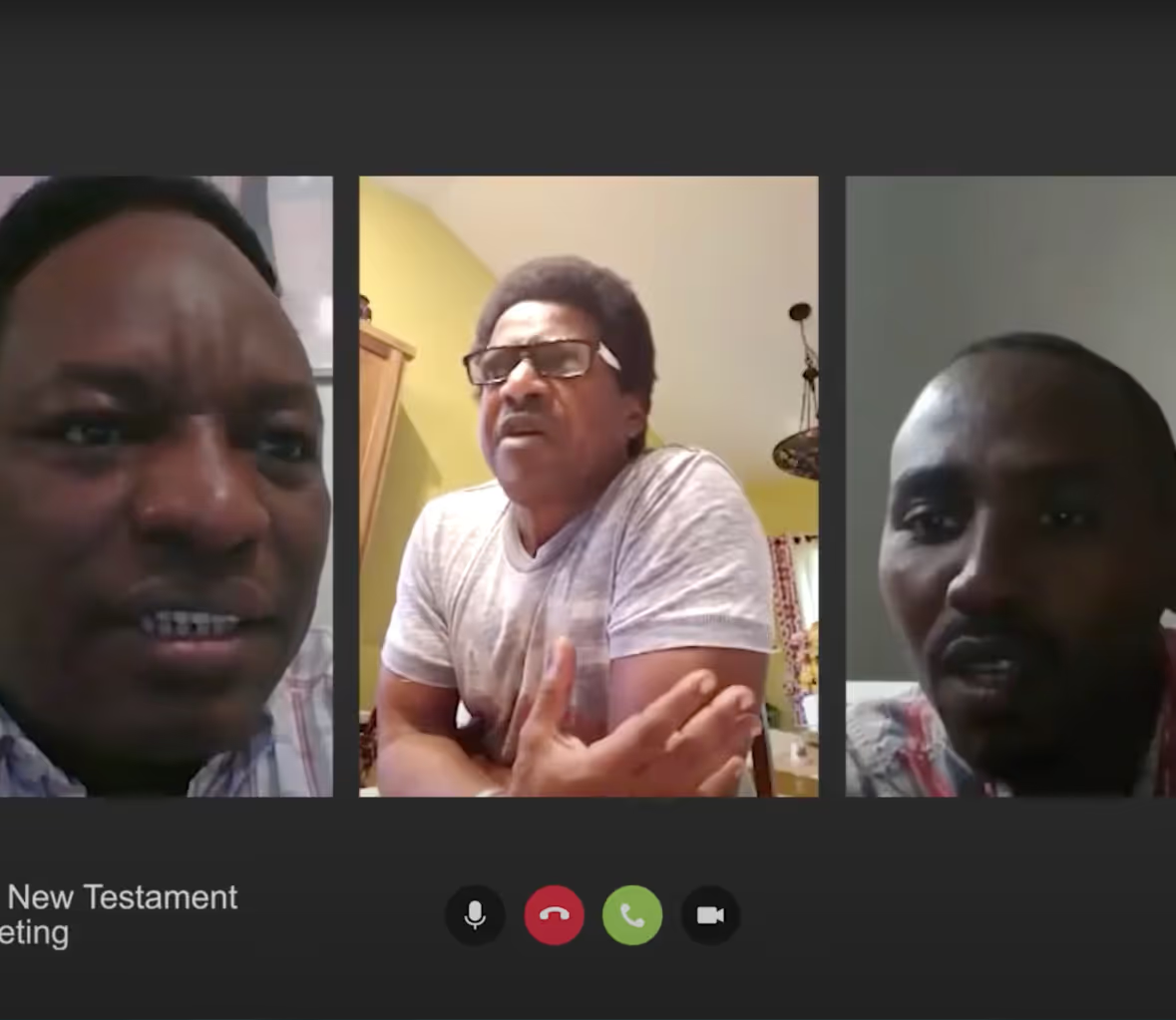
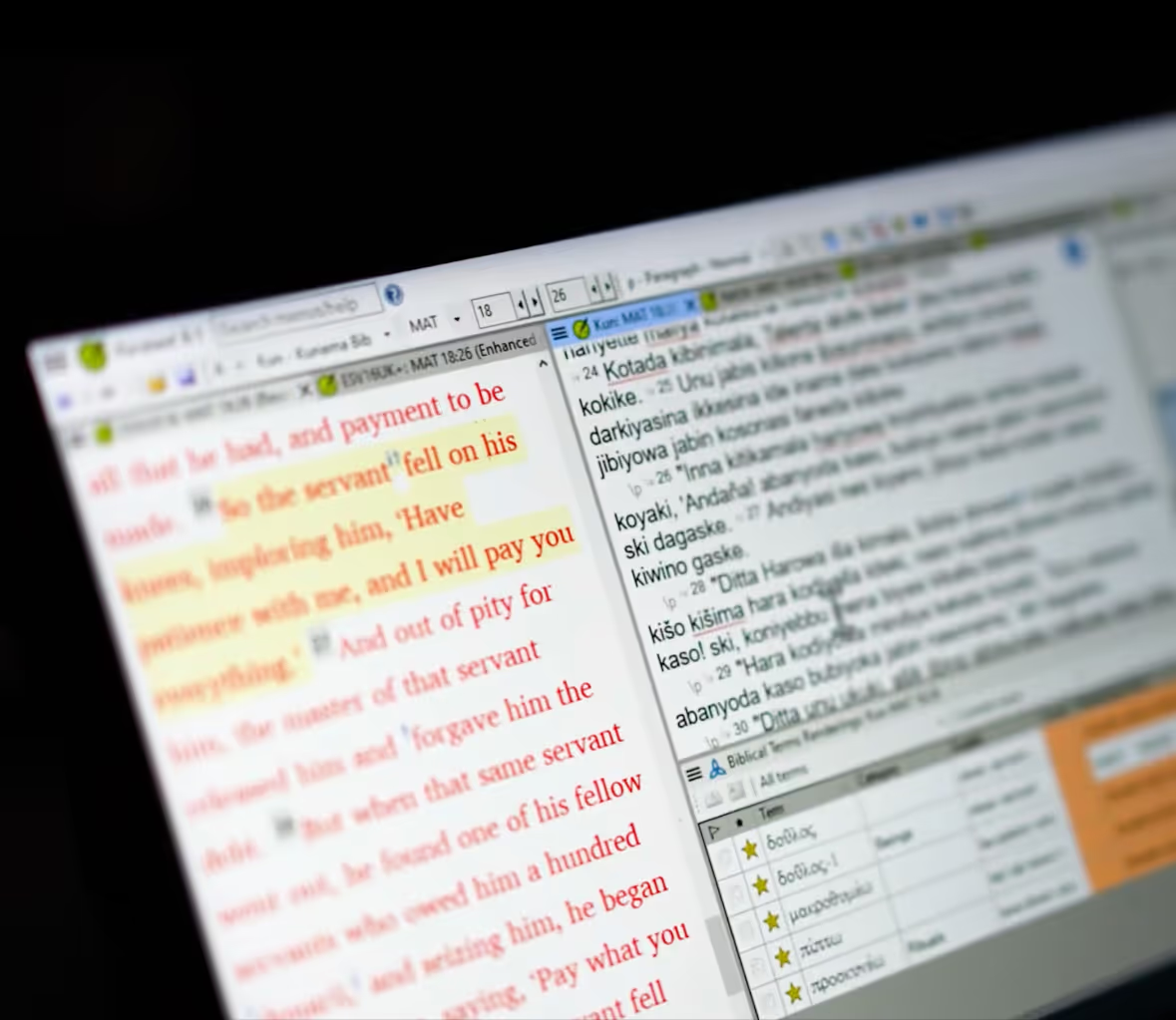
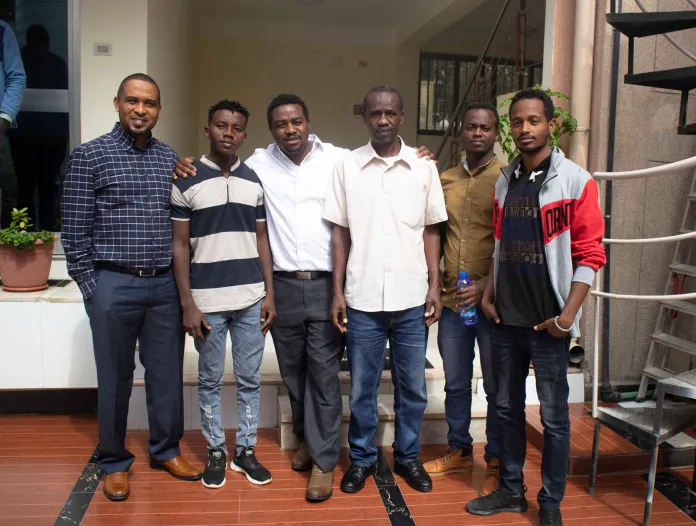
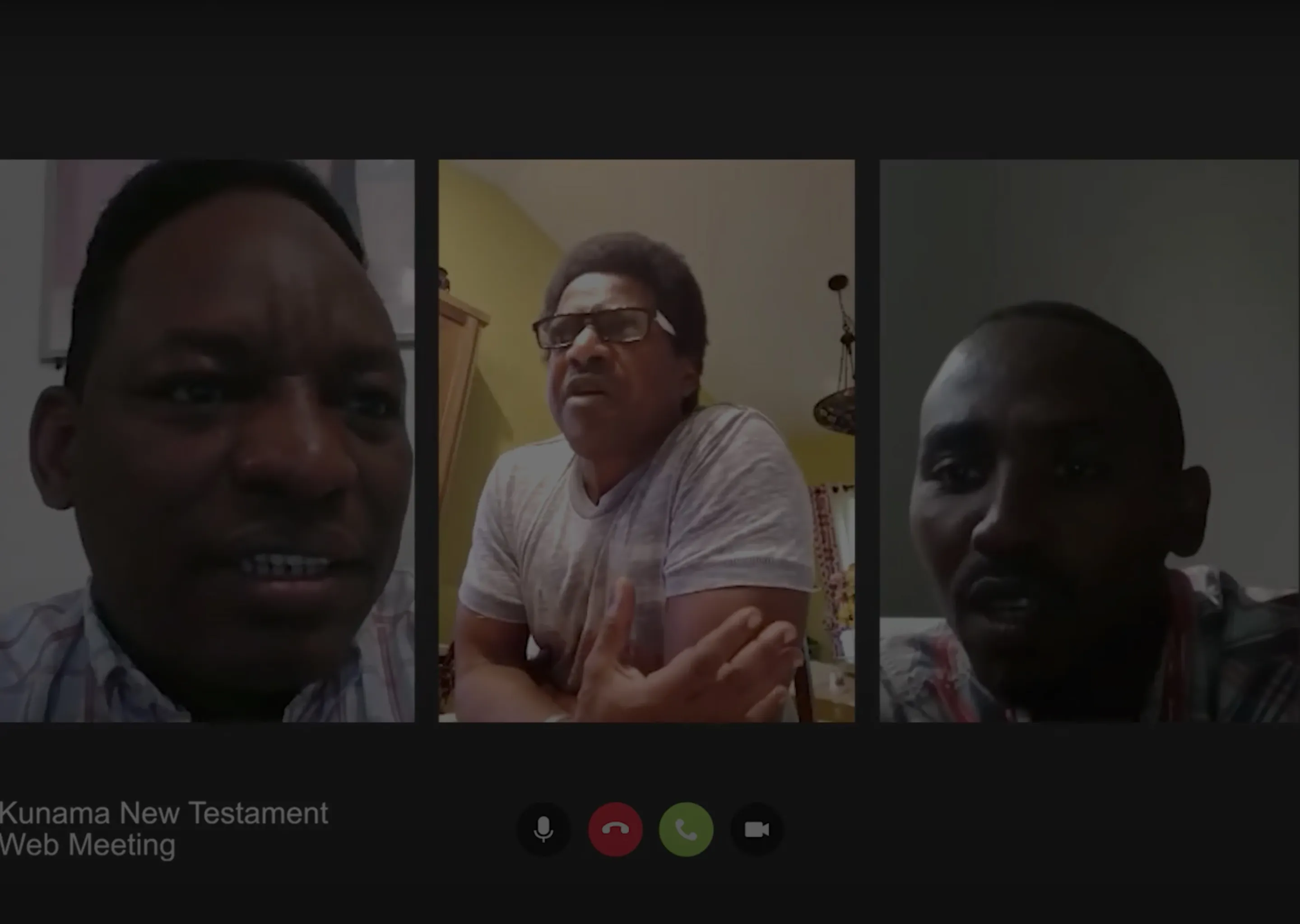
Stefano catalyzed a collaboration between Wycliffe Ethiopia, Eritrean Bible Society, Wycliffe USA and The Jesus Film Project. Ultimately, two teams emerged: one in Ethiopia, revising the Kunama Old Testament, and one in Canada composed of nine men translating the New Testament.

These translators have overcome significant obstacles and challenges, serving faithfully and humbly to bring Scripture to the Kunama diaspora.
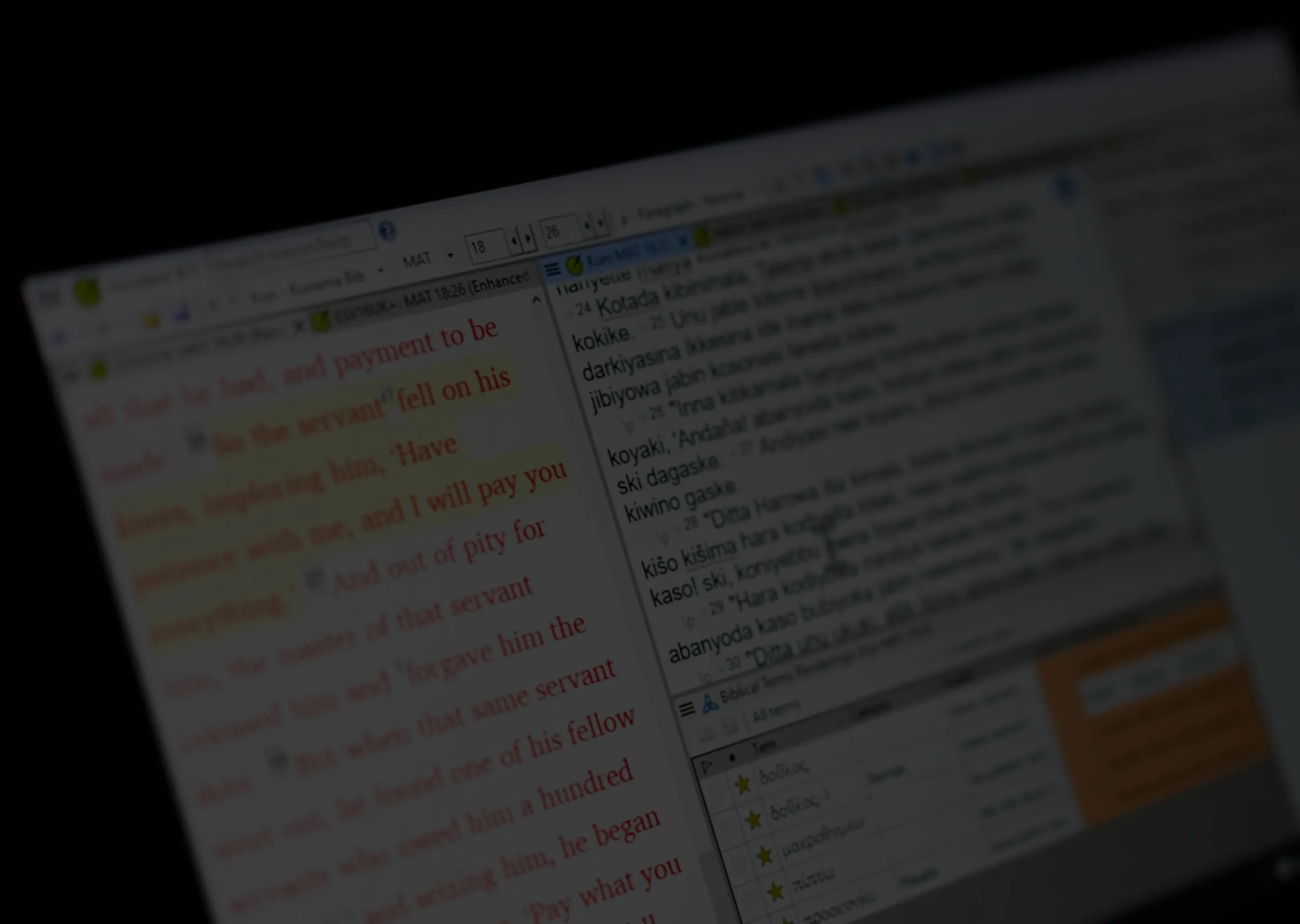
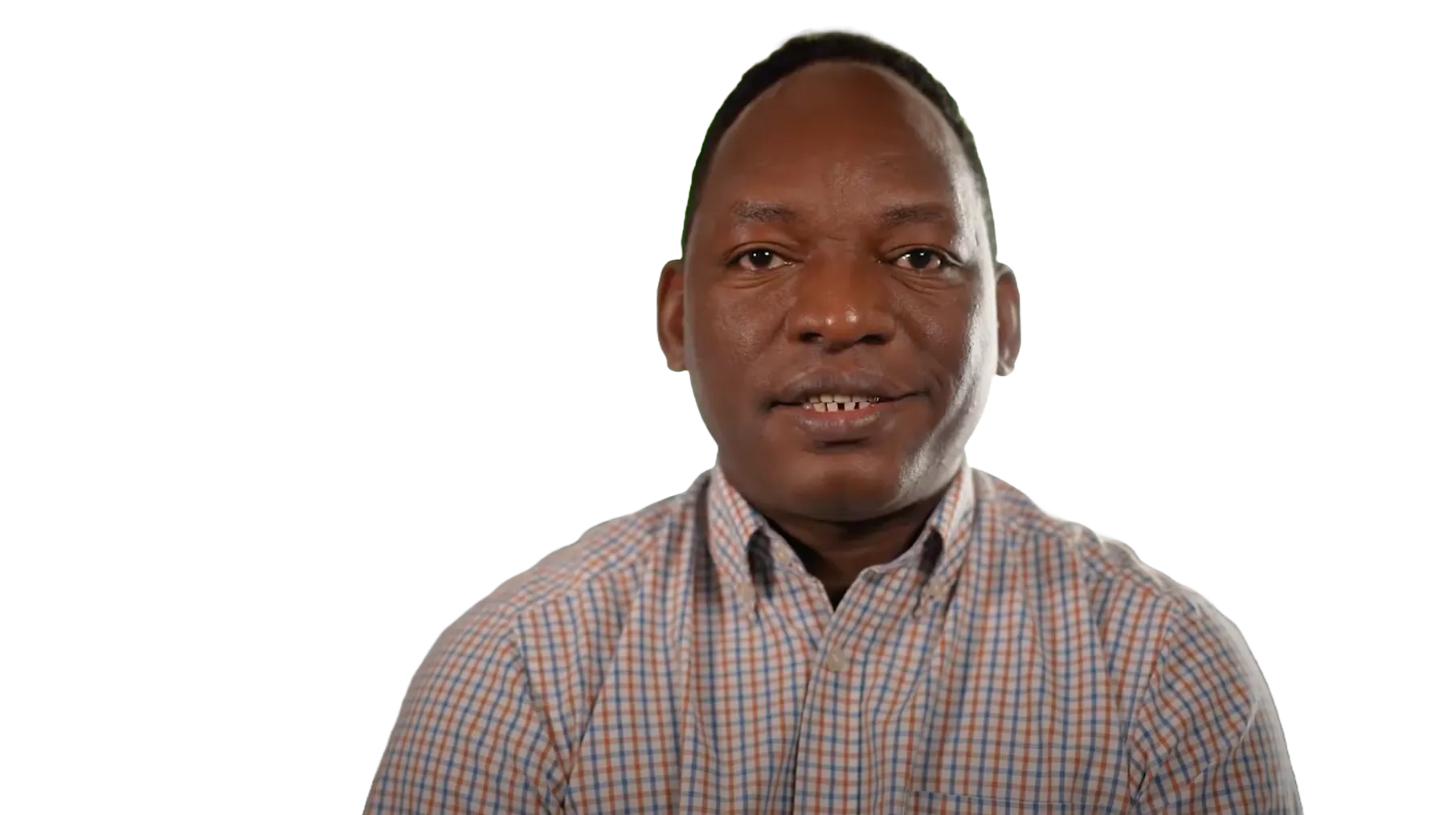
“I have read the Bible through again and again, and I thought I knew a lot until I joined the translation team, until I tried to rewrite [it] in Kunama. And I found it very different. That’s the thing: The Bible says the Word of God is new every morning. And that’s what I learned. There was always more. Always more. That’s what I believe.”

How can people receive God’s Word unless it is in a language they understand? 

In many cases, teams can eventually deliver the translated Scripture to their home country. While the Kunama may not be able to do so, other diaspora communities have returned home with God’s Word in their hands.

For instance, displaced people from an Asian country encountered God while living in the U.S. as refugees. They continued to learn God’s Word, eventually translating the Bible into their language. After becoming American citizens and receiving their U.S. passports, they were able to visit their home country, where they shared the translated Scripture.
This is why Bible translation matters —

God empowers believers all over the world, both local and displaced, to reach their communities with His Word. In the face of seemingly insurmountable circumstances, He proves over and over that through Him, all things are possible.
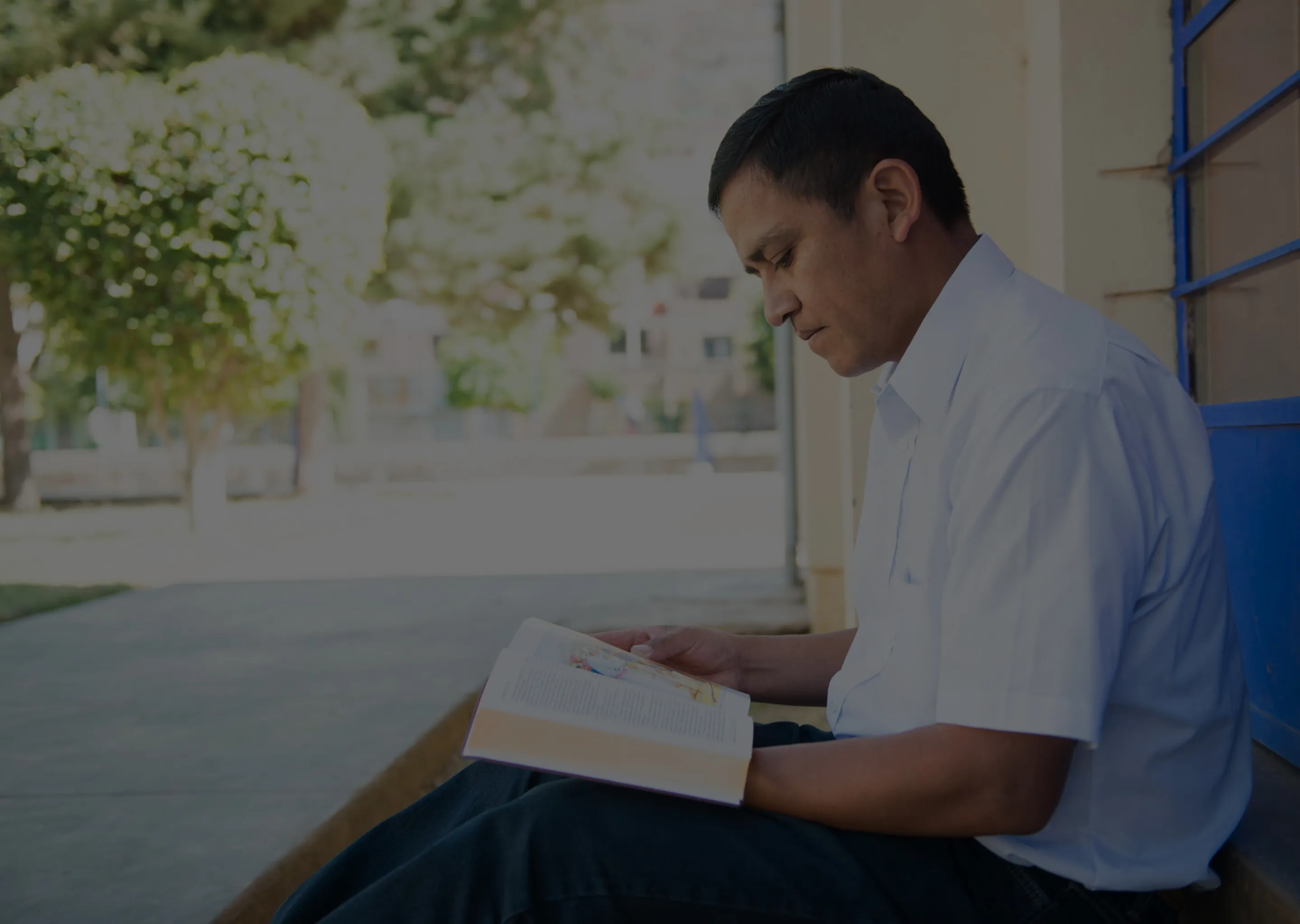
“A lot of people that we’ve talked to hear [translated Scripture] for the first time and they say, ‘Wow, God speaks my language? He knows me?”

Prayer fuels Bible translation! Let’s pray together now for diaspora communities translating Scripture worldwide.
    Options
    Close
    Options
    Close
    Share this story
    Share what God’s doing with your friends and family
    This is some text inside of a div block.